
NEW AT NOOK: ADESIGNSTUDIO
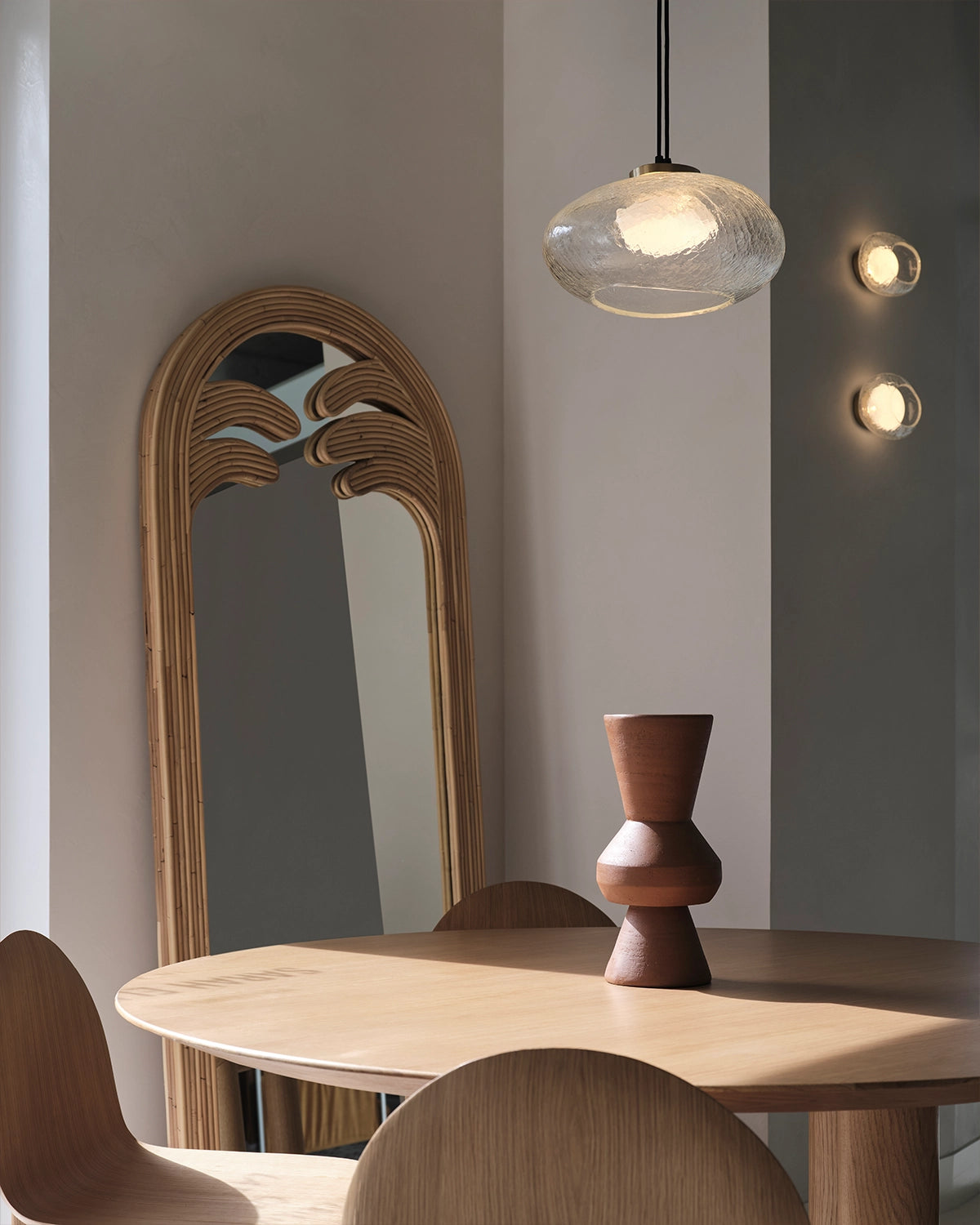
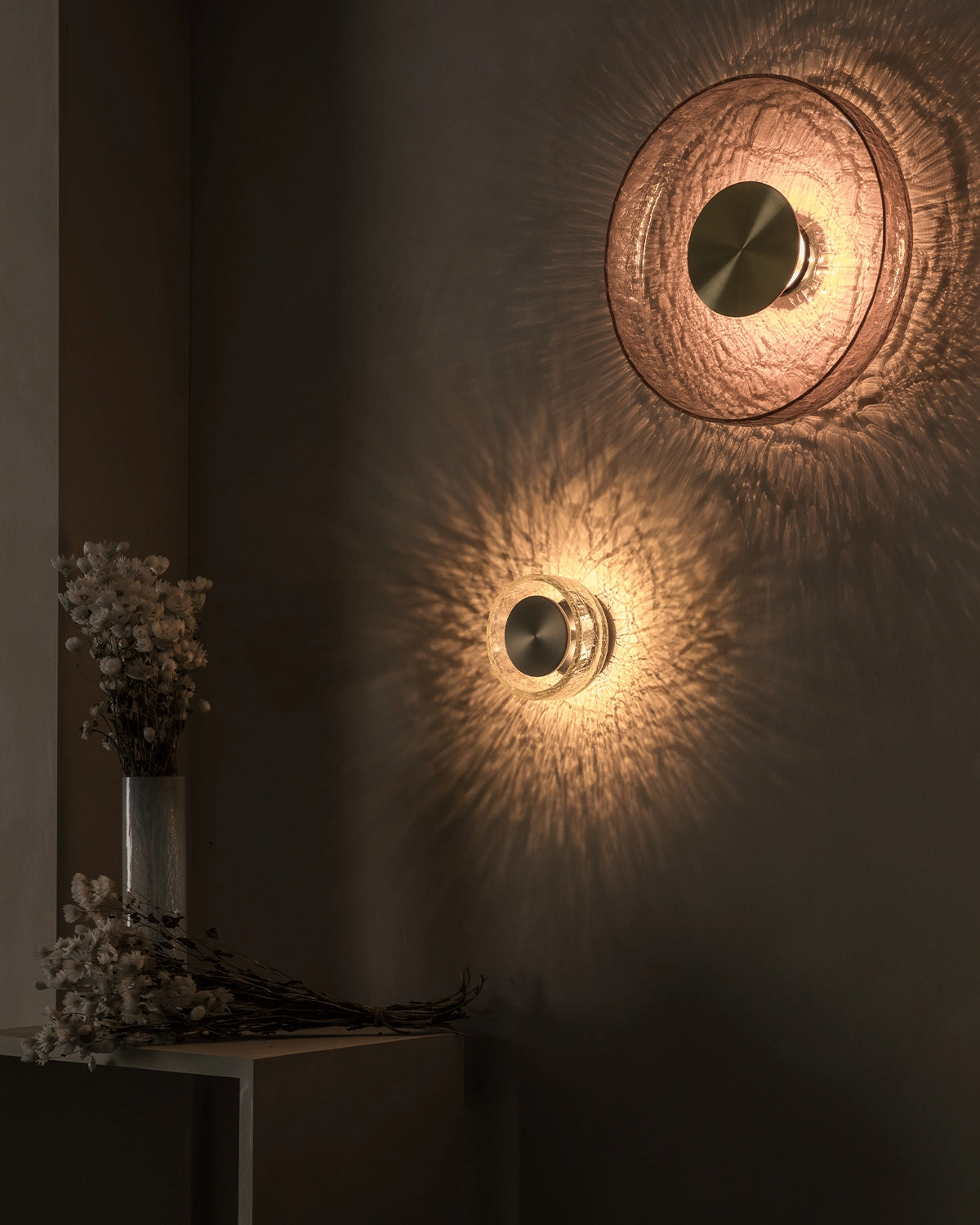
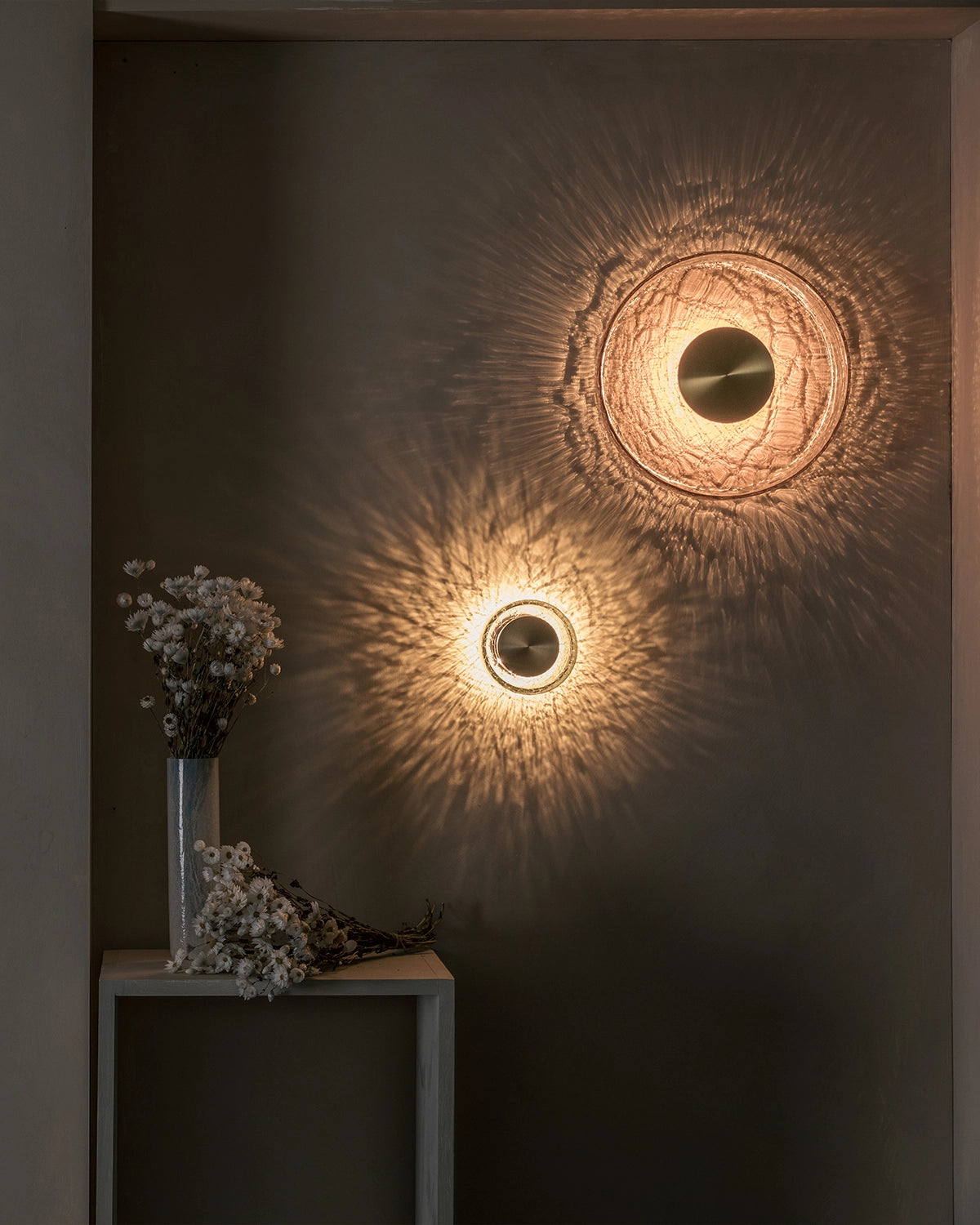
We are always looking for makers who treat light as more than a fitting - designers who understand that a room is changed as much by how it glows as by what sits inside it. This is why we are so pleased to welcome ADesignStudio to Nook Collections.
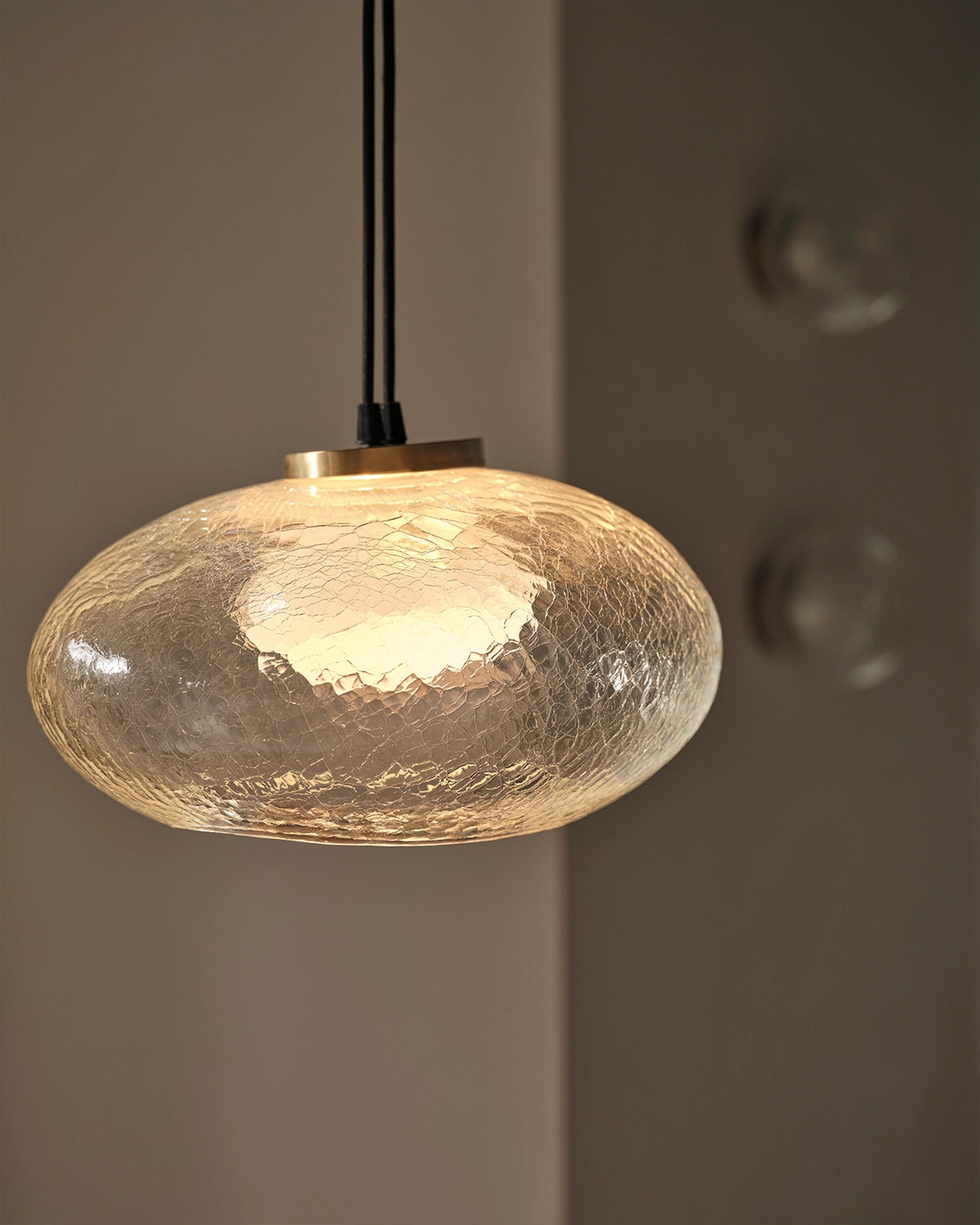
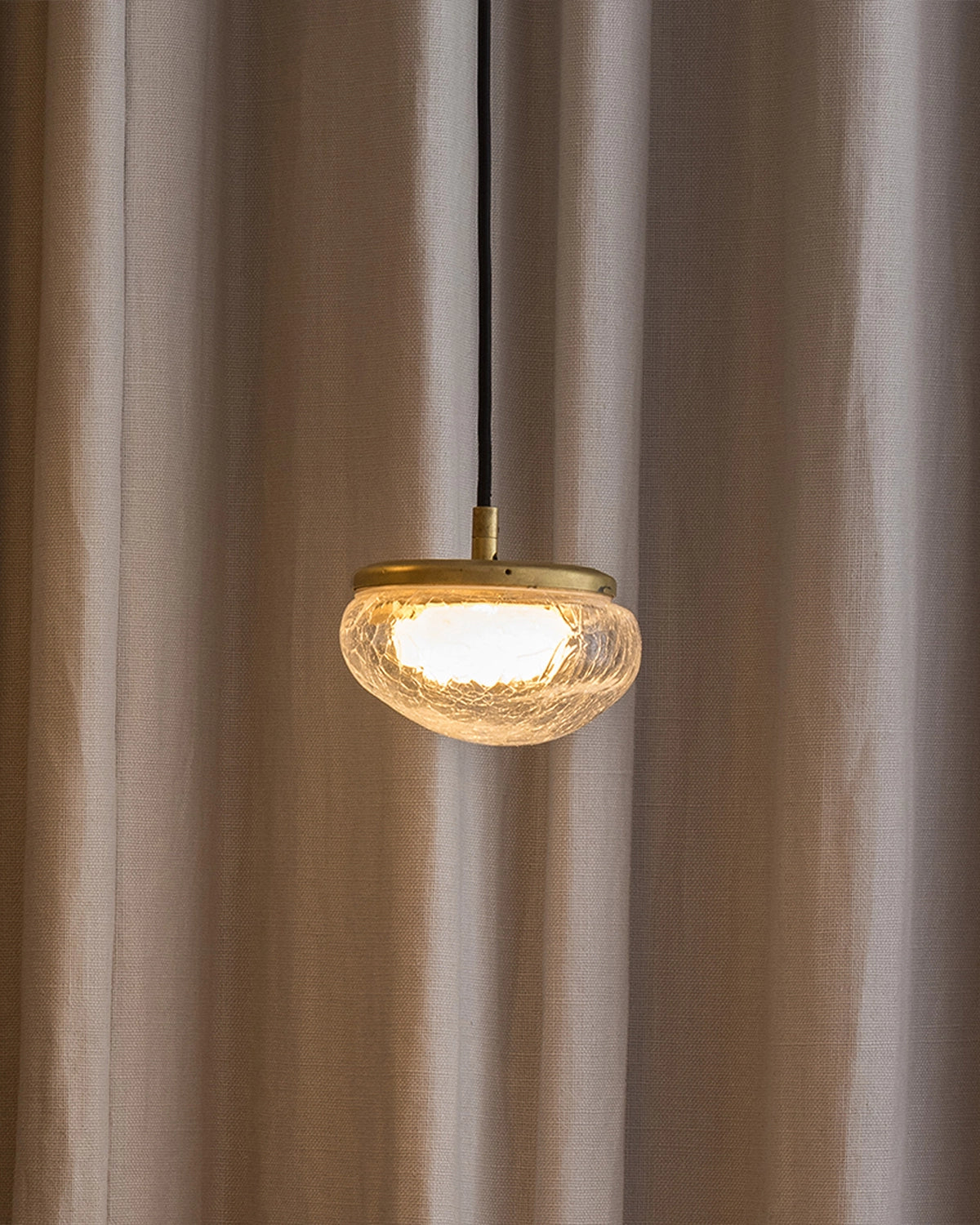
Led by Sydney-based designer Alex Fitzpatrick, ADesignStudio is an award-winning lighting design and manufacturing practice that distributes its work internationally. The studio's collections are built at the meeting point of two disciplines that do not always sit comfortably together - traditional craft and contemporary technology. Glassblowing and metalworking sit alongside modern manufacturing processes, and the result is lighting that is as scientifically resolved as it is poetic.

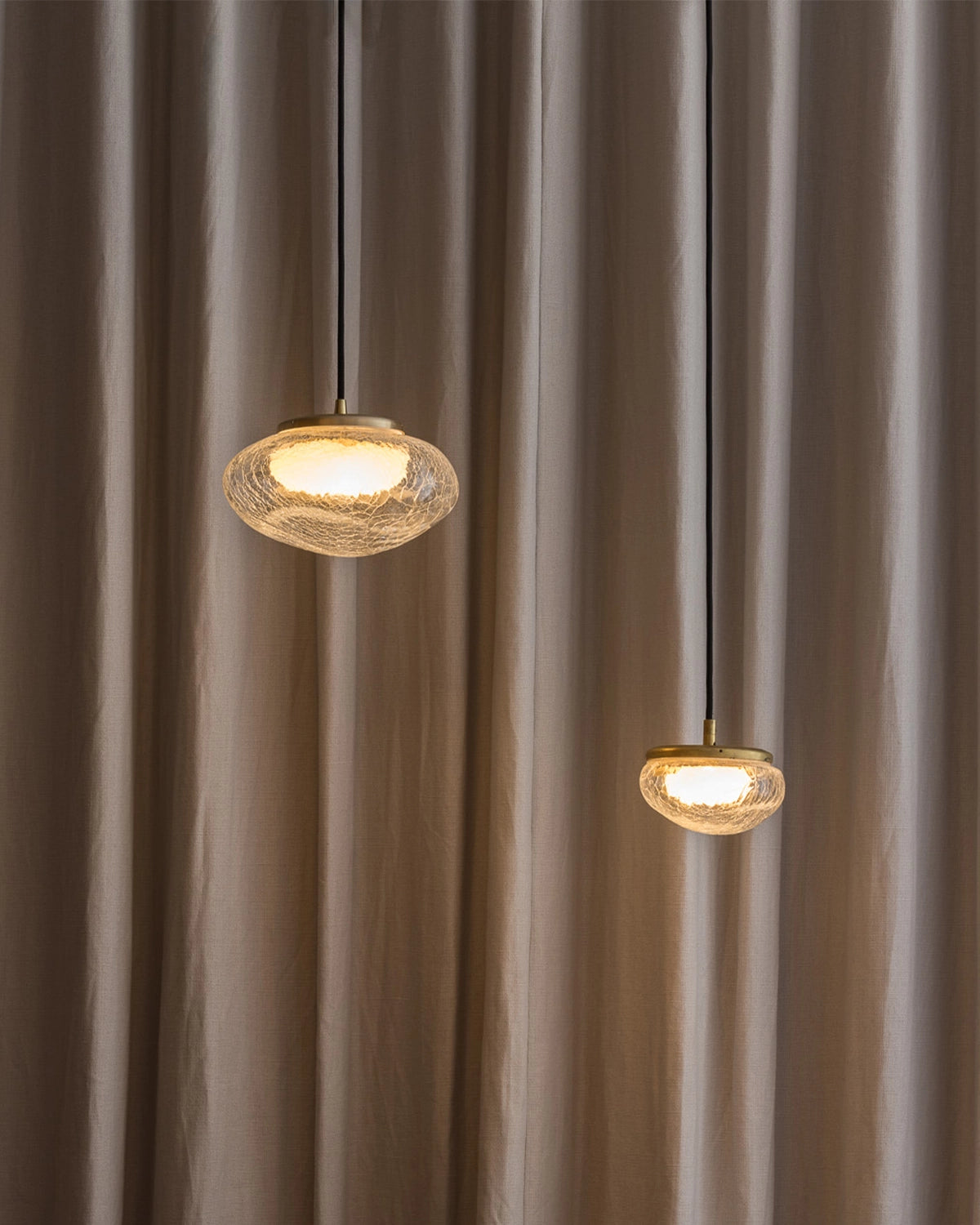
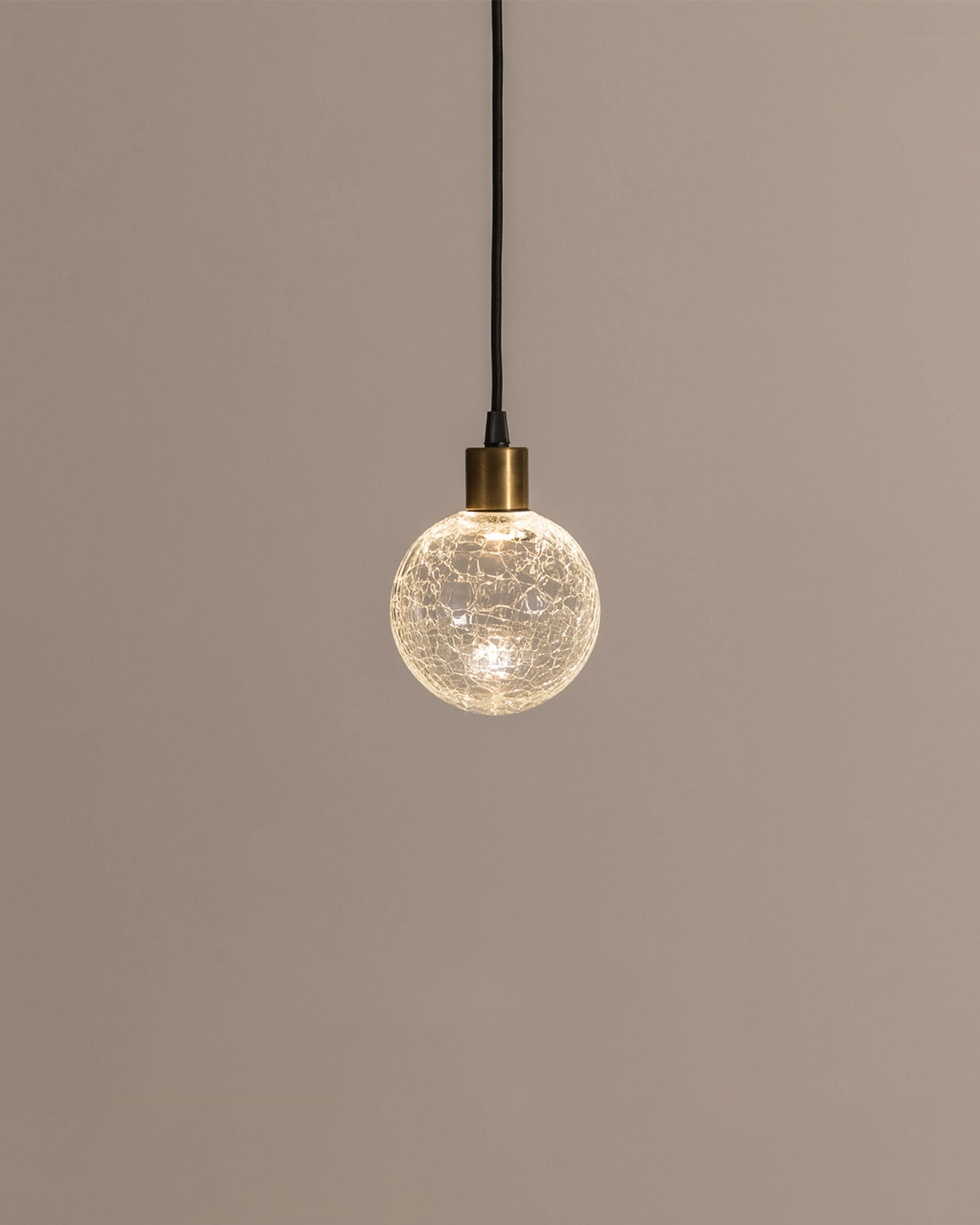
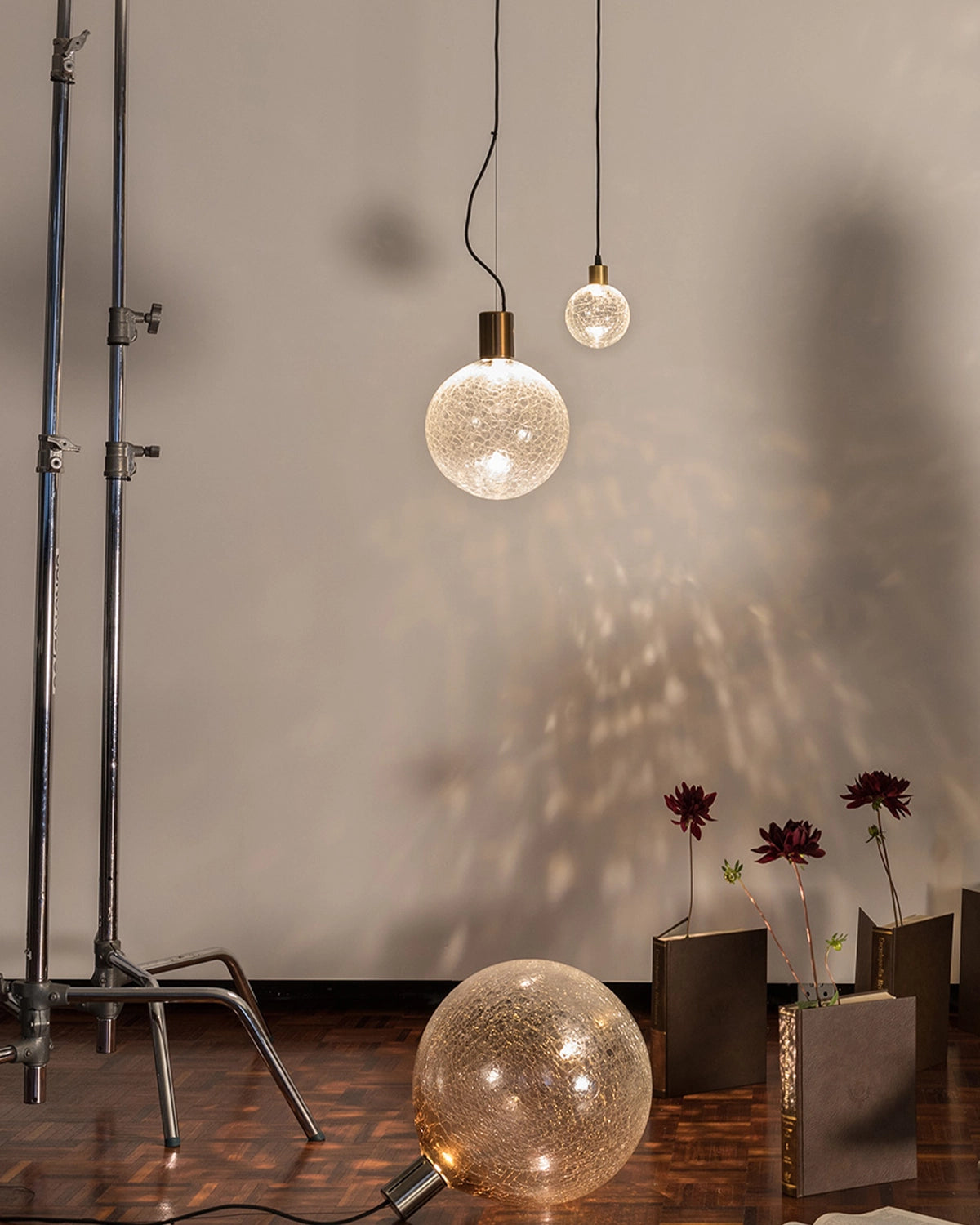
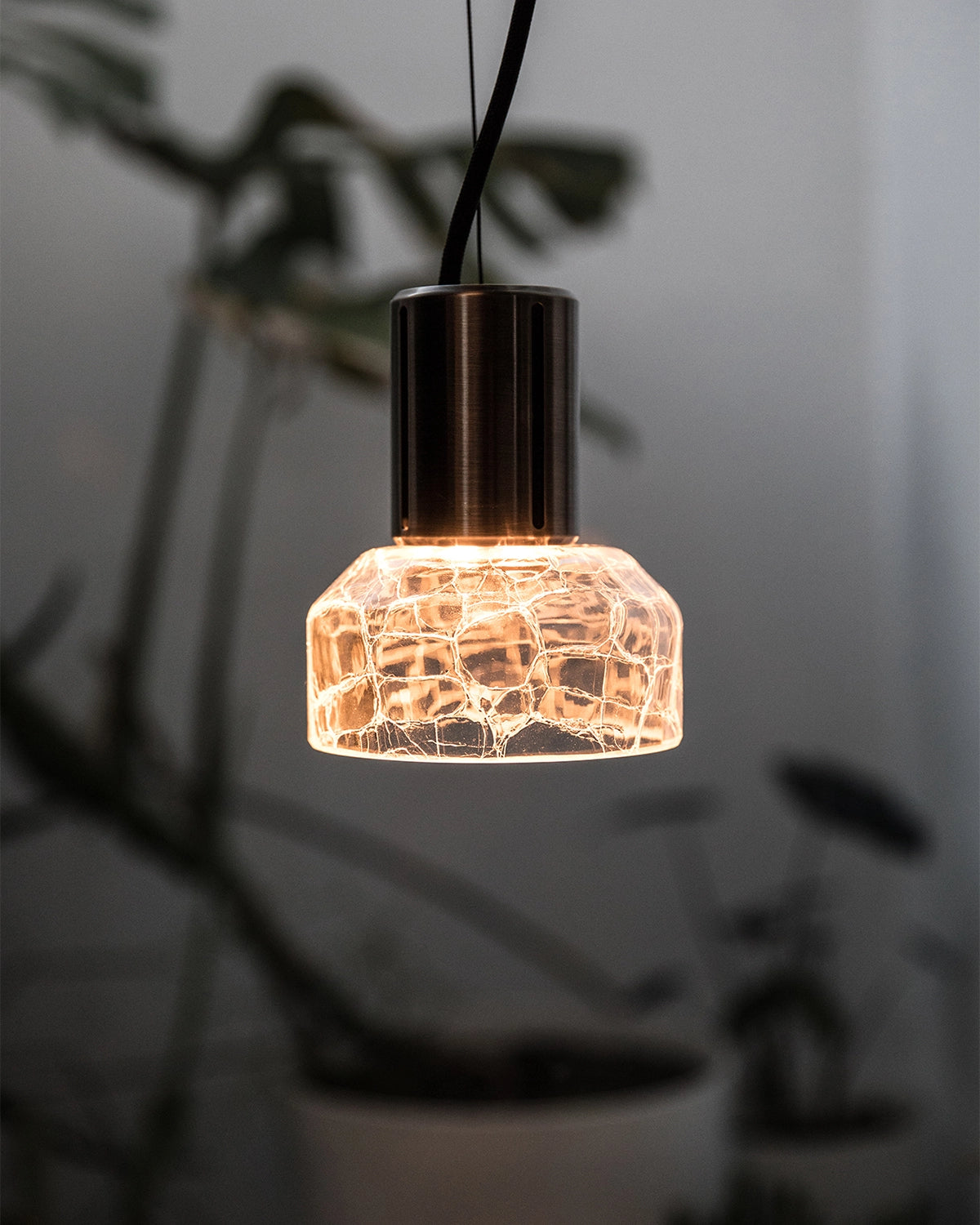
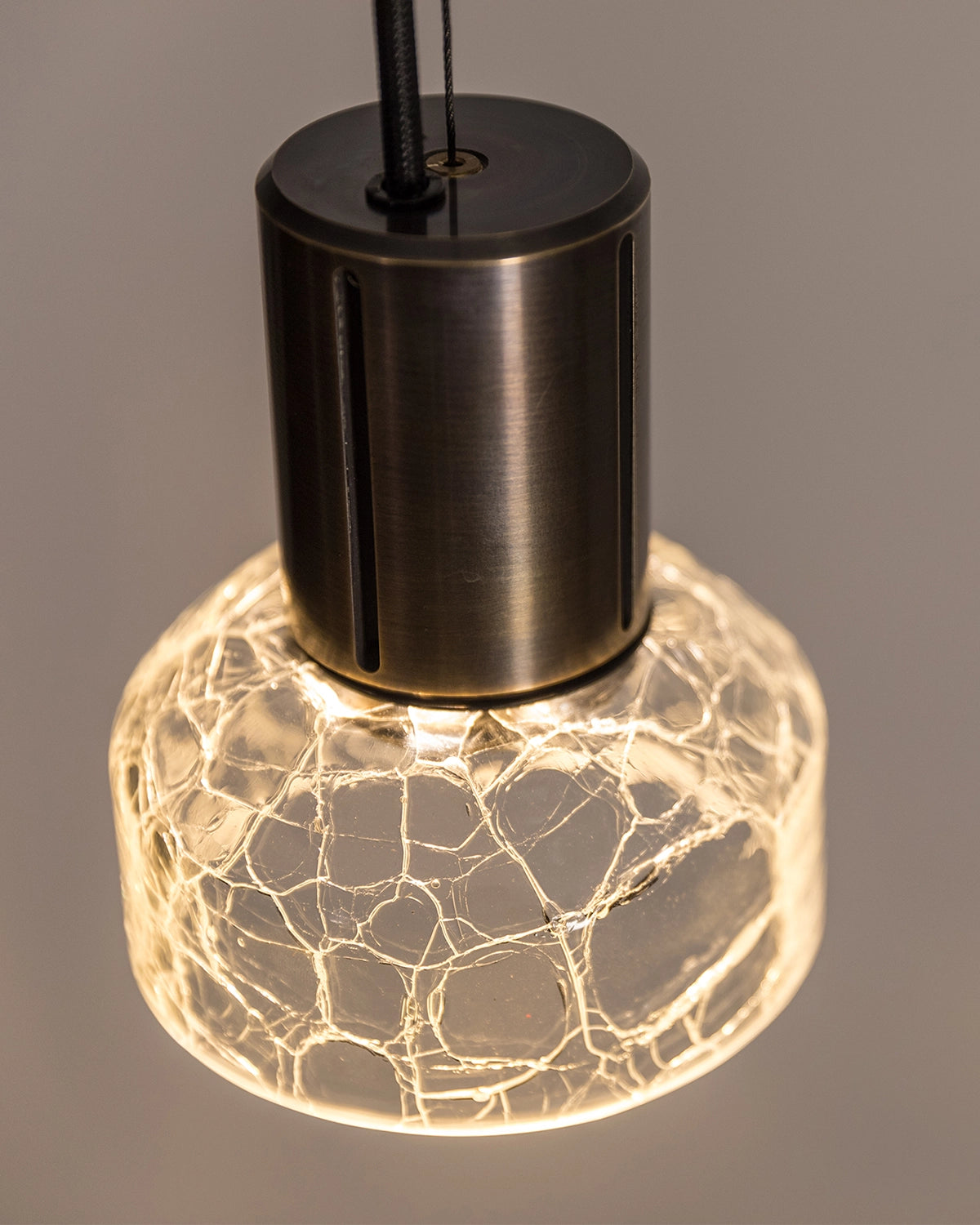
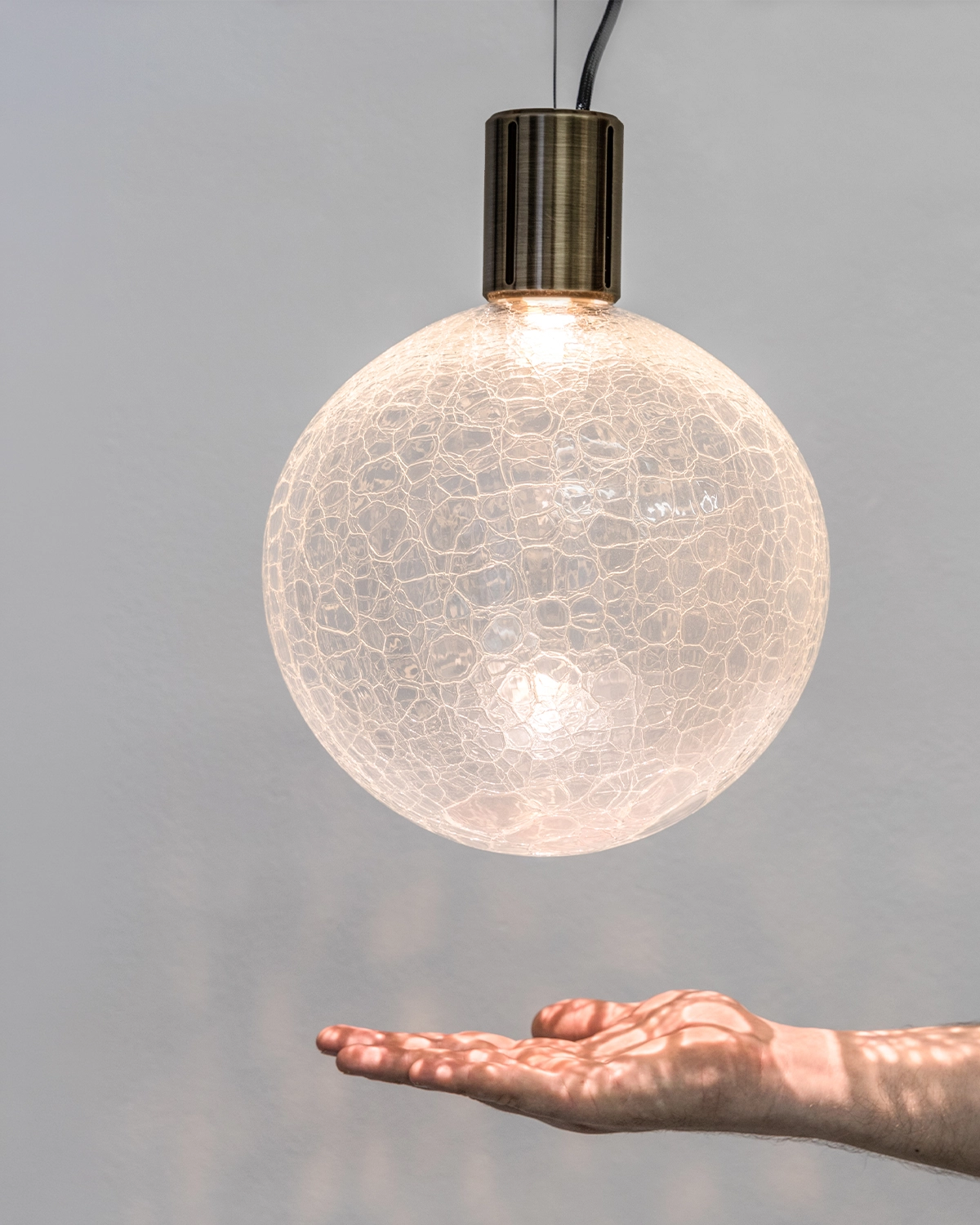
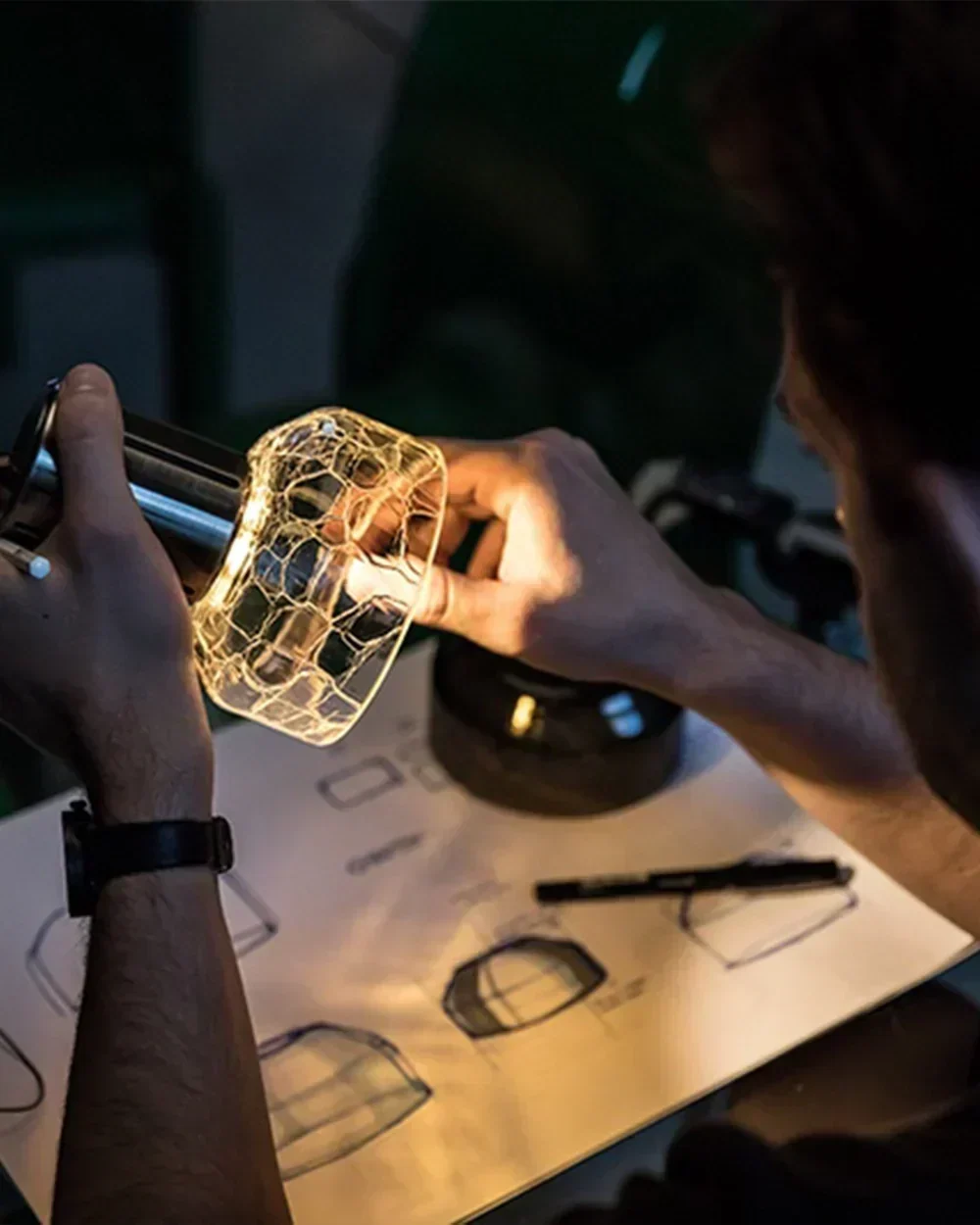
L: Crackle S2 Pendant Light ; R: Crackle S4 Pendant Light
That word, poetic, matters here. The objects we choose to live among rarely earn their place through function alone. A light can simply light a room - or it can carry something more, a memory of sunlight filtering through a grove of trees, the surprise of bougainvillea against a city wall, a quiet nod to a colonial lighthouse and the convict architect who built it. ADesignStudio works in that space between the technical and the felt, and as a design-focused practice, Alex and his studio also collaborate directly with lighting designers, architects and interior designers to create custom pieces for larger projects.
We sat down with Alex to talk about where his work begins, what the poetry of light actually means in practice, and what he is chasing next.
In conversation with Alex Fitzpatrick

On the craft
You work across both glassblowing and metalworking. Do you come to a new piece
through the material first, or does the idea come first and the material gets chosen to fit it?
The material is not usually the starting point, but it is always important. I tend to begin by trying to understand what we want the luminaire to say or communicate, how it needs to function and what kind of experience we want it to create. Material and function go hand in hand, although the relationship is not always an obvious one. I really enjoy experimenting with light and material and finding unexpected ways for the two to work together. Often those experiments become part of how we tell the story of a piece.
Traditional glass and metal skills sit alongside contemporary manufacturing technology in your studio. Where is the line for you between what a hand should do
and what a machine should do?
That is an interesting question. From an accounting or manufacturing perspective, you can draw a very clear line between what should be machine-made and what should be made by hand, but that is not necessarily what is right for the product or for our design approach.
Many of our fittings combine machine-made components with a handmade element. I think we are living in an interesting period of design where craft and handmade processes have returned to the forefront. I enjoy that balance. There is something very immediate and human about connecting with an object where you can still sense the hand of the person who made it.

On the poetic side
Your studio talks about light as memory - sunlight through a tree canopy, bougainvillea on a city street. Is there a specific memory or place that has shown up in an actual piece?
Definitely. LightGarden, my first fitting, came together during a transitional period in my life when I was moving back to Australia. The idea began while I was living in Alberta, Canada, where I became fascinated by the quality of light while walking through the forests. A year or two later, back in Sydney, another influence appeared in the backstreets of Surry Hills. I was drawn to the vines and flowering bougainvillea that seemed to flow over walls and take over parts of the streetscape.
Those two quite different memories eventually came together in LightGarden. It is a modular fitting designed to tessellate and grow across a wall, creating a soft illumination with only occasional shards of stronger light appearing from behind it. It was really the beginning of my interest in creating lighting that is not simply an object placed within a space, but something that can grow, change and become part of the architecture around it.
You have mentioned an allusion to a colonial lighthouse and its convict architect. Can you tell us that story properly?
I have always had a fascination with Sydney’s lighthouses. They are very particular landmarks - structures designed to guide people arriving into, or returning to, Sydney Harbour. I think there was probably a deeper connection there for me than I initially realised. While researching Sydney’s lighthouses, I came across Macquarie Lighthouse, which I would actually pass on my way home. Interestingly, it was not the lighthouse I was most attracted to aesthetically, but its story completely captured my attention. I learnt about its connection to Francis Greenway, the convict architect behind the original lighthouse, and became fascinated by his story. Greenway’s life is extraordinary in its own right - I could happily have an entirely separate conversation about him.
From that research, I began developing a modular family of fittings that took cues from the architecture, structure and character I found within the lighthouse. I eventually named the collection Greenway, in homage to Francis Greenway and the story that had inspired it.
How do you know when a piece has crossed from well-engineered into something
with real poetic weight?
I am not sure you always know. I think the real connection is ultimately realised through people. You can design something with a particular intention, but once it leaves the studio, people bring their own memories, experiences and interpretations to it. Sometimes the most unexpected responses create the greatest poetic weight. That is one of the things I find most interesting about design - you cannot completely control how someone will connect with an object.

On practice and process
Walk us through a piece from first sketch to finished object. Where does it usually go sideways, and where does it usually surprise you?
Sideways and Surprise often go hand in hand. When we are trying to develop something new, particularly when experimenting with material or technology, things rarely follow a perfectly straight path. But I do not see that as a negative part of the process. Those moments are often where we learn the most. A material behaves differently from what we expected, a prototype creates an effect we had not anticipated, or a technical limitation pushes the design somewhere more interesting. For me, those sideways moments are part of designing. They are opportunities to learn, create and ultimately instill more meaning into the finished piece.
You work directly with architects and interior designers on custom pieces for larger
projects. What does a good client brief look like, versus a difficult one?
We work with clients at a few different levels, depending on what the project needs. The first is our existing lighting collection. Then we have our Specifier System, which allows for specials, subtle modifications and finish changes to suit a particular project. Beyond that is our Atelier service, where I work closely with the client to develop a project-specific installation or lighting solution. For me, a good brief does not necessarily need to arrive with the answer already resolved. In fact, some of the most interesting briefs leave enough room for us to explore. What is important is understanding the intention of the project - the space, the atmosphere, the practical requirements and what the client is trying to achieve.
Is there a piece in the current collection you are most attached to, and why?
Recently, ADesignStudio collaborated with Australian designer Adam Goodrum to develop a fitting that needed to do something deceptively simple: be functional and beautiful enough to feel equally at home indoors and outdoors. The result is our Coast and Cove collection of low-level wall lights. I am particularly attached to them because they are a beautiful collaboration. They explore that interesting territory between interior and exterior lighting.
They are simple fittings, but a great deal of consideration went into getting that simplicity right. I think they represent an interesting meeting point between Adam’s design language and our technical experience.

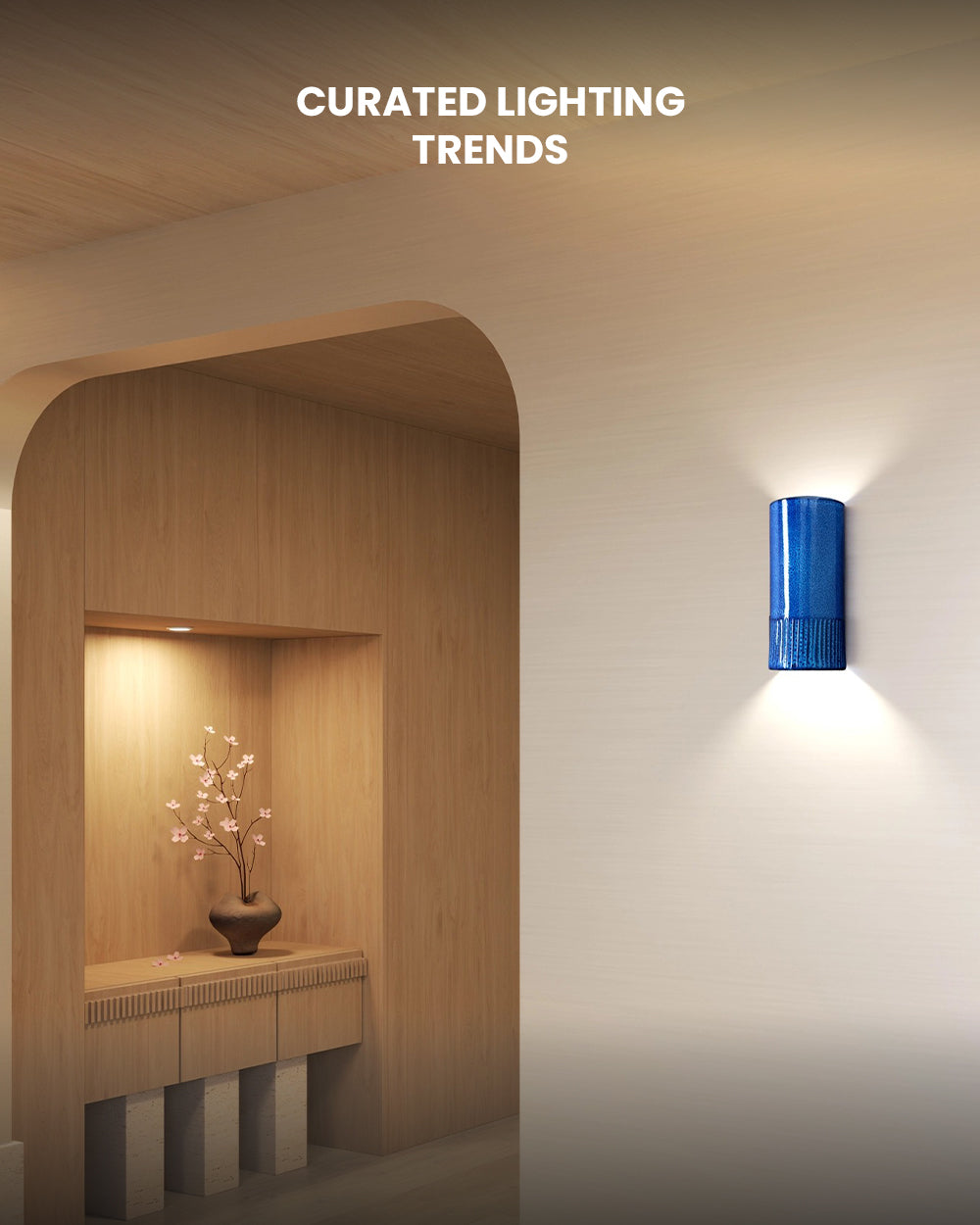
L: Cove Wall Light- Horizontal ; R: Coast Wall Light: Vertical
ADesignStudio is available now at Nook Collections, in our Surry Hills showroom and online.