
There is something enduring about farmhouse style. Rooted in utility and shaped by place, it has never really gone out of fashion - it has simply evolved. What began as the honest aesthetic of working homes has, over generations, become one of the most searched and celebrated looks in interior design. And nowhere does that evolution show more clearly than in lighting.
But "farmhouse" is not one thing. The farmhouse of rural Tuscany looks nothing like a timber homestead in regional New South Wales. A French stone cottage conjures a different mood entirely from a Swedish longhouse or a reclaimed-timber loft in Brooklyn. Each tradition brings its own materials, its own relationship to light, and its own quiet philosophy about what makes a home feel like home.
This is a guide to those differences - and to the fixtures that carry each tradition forward.
Italian Farmhouse: The Art of Aged Elegance
The Italian farmhouse - the cascina, the old stone agriturismo - is a place where beauty has always been inseparable from function. Thick walls, terracotta floors, and hand-forged ironwork define the vernacular. Light here is theatrical and warm, shaped by centuries of craftsmanship that valued the handmade over the mass-produced.
In lighting terms, that translates to blown glass in amber and smoke tones, aged brass and oxidised iron, and fixtures with a sculptural presence that holds its own in a high-ceilinged room. Italian farmhouse lighting is never quiet. It earns its place.
Today, that tradition sits at the intersection of rustic and refined. Murano glass pendants bring the artisan quality of Venetian craft into kitchens and dining rooms. Chandelier forms draw from centuries of Italian design history but wear their heritage lightly - present in the material and the making, not in ornamentation for its own sake.

French Farmhouse: Soft, Patinated, and Quietly Romantic
Where Italian farmhouse leans into drama, French farmhouse whispers. It is the aesthetic of Provençal stone, linen curtains, and light that arrives through small windows in the late afternoon. The mood is worn-in and unhurried - beautiful in the way that things become beautiful after a long life.
French farmhouse lighting is built around patina. Aged iron sconces, matte ceramic pendants in chalky whites and soft greys, and delicate metalwork that looks as though it has always been there. It suits homes that mix antique finds with contemporary restraint - the kind of space where nothing quite matches but everything belongs.
The fixtures that carry this look best tend to be understated in form but considered in finish. A wrought iron wall light with a frosted glass shade. A ceramic pendant in a hand-thrown form. Materials that feel tactile and specific, never generic.

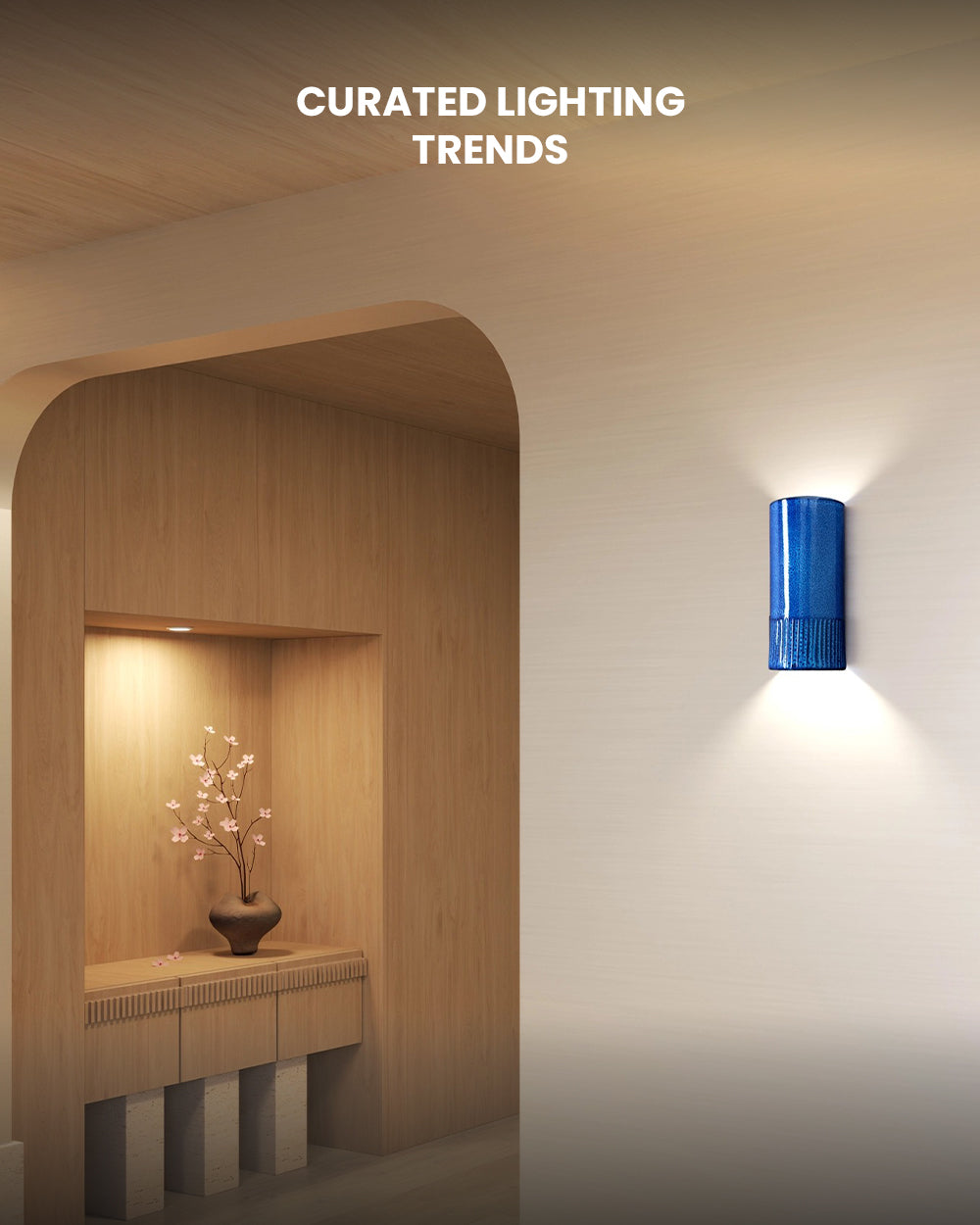
L: Allier 4lt Pendant Light / R: Totana Wall Light
Scandinavian Farmhouse: Light as a Design Principle
In Scandinavia, light is precious. The long winters shaped an entire design philosophy around how to bring warmth and brightness into a home - and how to make the most of it when it arrives. The farmhouse tradition here is built on clean lines, honest materials, and a deep respect for the quality of light itself.
Scandinavian farmhouse lighting is minimal without being cold. It favours simple geometric forms in natural timber, matte white ceramic, and brushed metals. There is no excess. Every element earns its presence. And the result is spaces that feel calm, considered, and genuinely welcoming - what the Scandinavians call hygge, though the idea is older than the word.
What distinguishes this style from its European neighbours is restraint. A Scandinavian pendant does not announce itself. It creates the right quality of light in the right place, and it does so beautifully.

L: Girasoli Spotlight / R: Brim Pendant Light
Australian Farmhouse: A Style Finding Its Own Language
Australian farmhouse doesn't yet have the same codified aesthetic as its European counterparts - and that, arguably, is what makes it interesting. It is a style in the process of being defined, drawing on a landscape and a building tradition that is genuinely unlike anywhere else.
The Australian vernacular is corrugated iron and raw timber, wide verandahs and dust-filtered afternoon light. It is rattan and jute, eucalyptus tones, and a preference for things that are durable and unfussy. At its best, it is a design language shaped by climate and space rather than by trend.
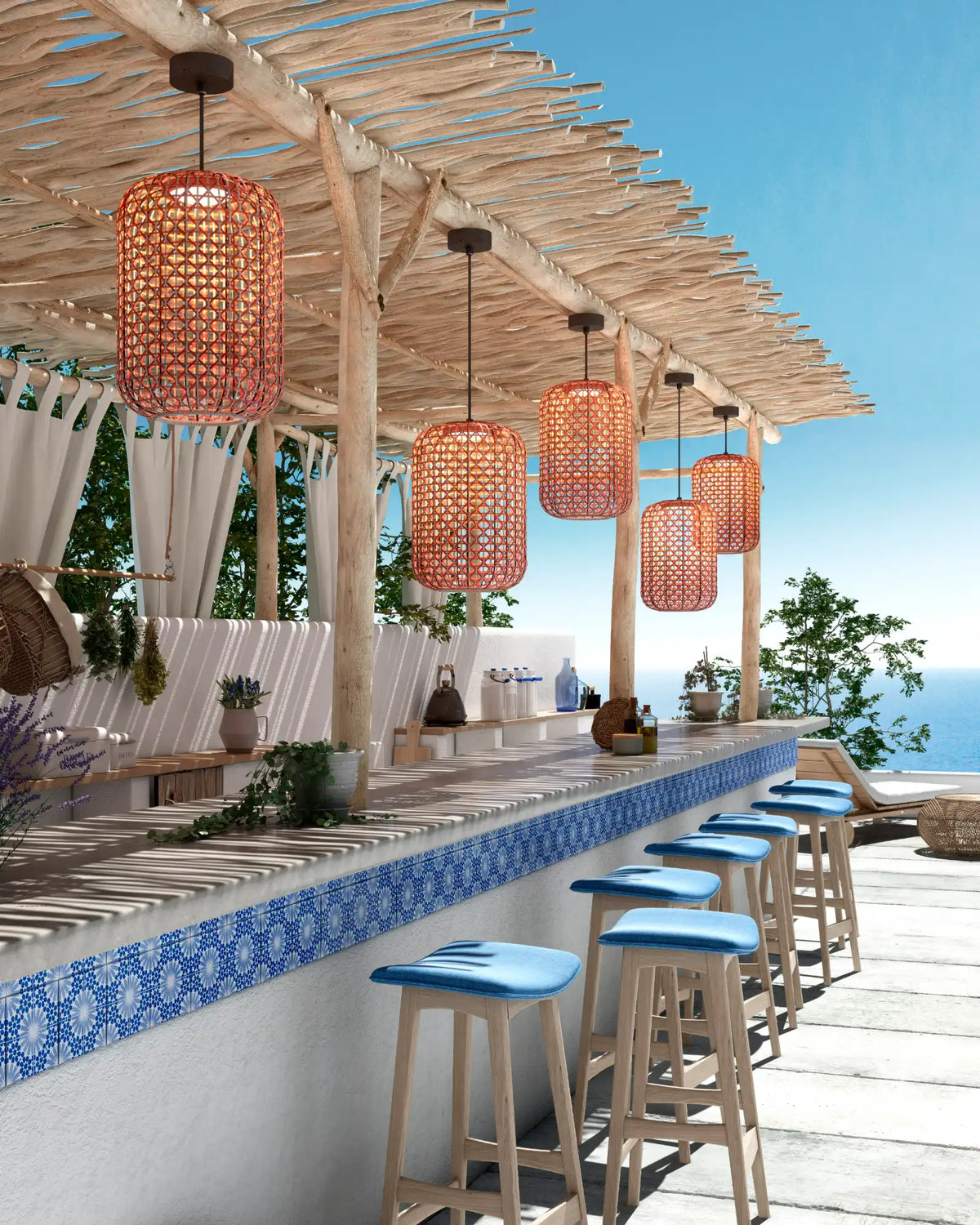
In lighting, that translates to natural materials with weight and texture - rattan pendants, raw brass fittings, fixtures that work as hard outdoors as they do inside. It is less refined than the Italian tradition, less delicate than the French, and more grounded than the Scandinavian. It suits homes that breathe.

L: Wobby Ceiling Light / R: Materia Pendant Light
Modern Farmhouse: Where All of It Meets
Modern farmhouse is what happens when these traditions cross-pollinate. It is not tied to a geography or a specific material palette - it is a sensibility. The warmth of the farmhouse aesthetic, updated for homes that are also modern: cleaner lines, considered proportions, a preference for quality over accumulation.
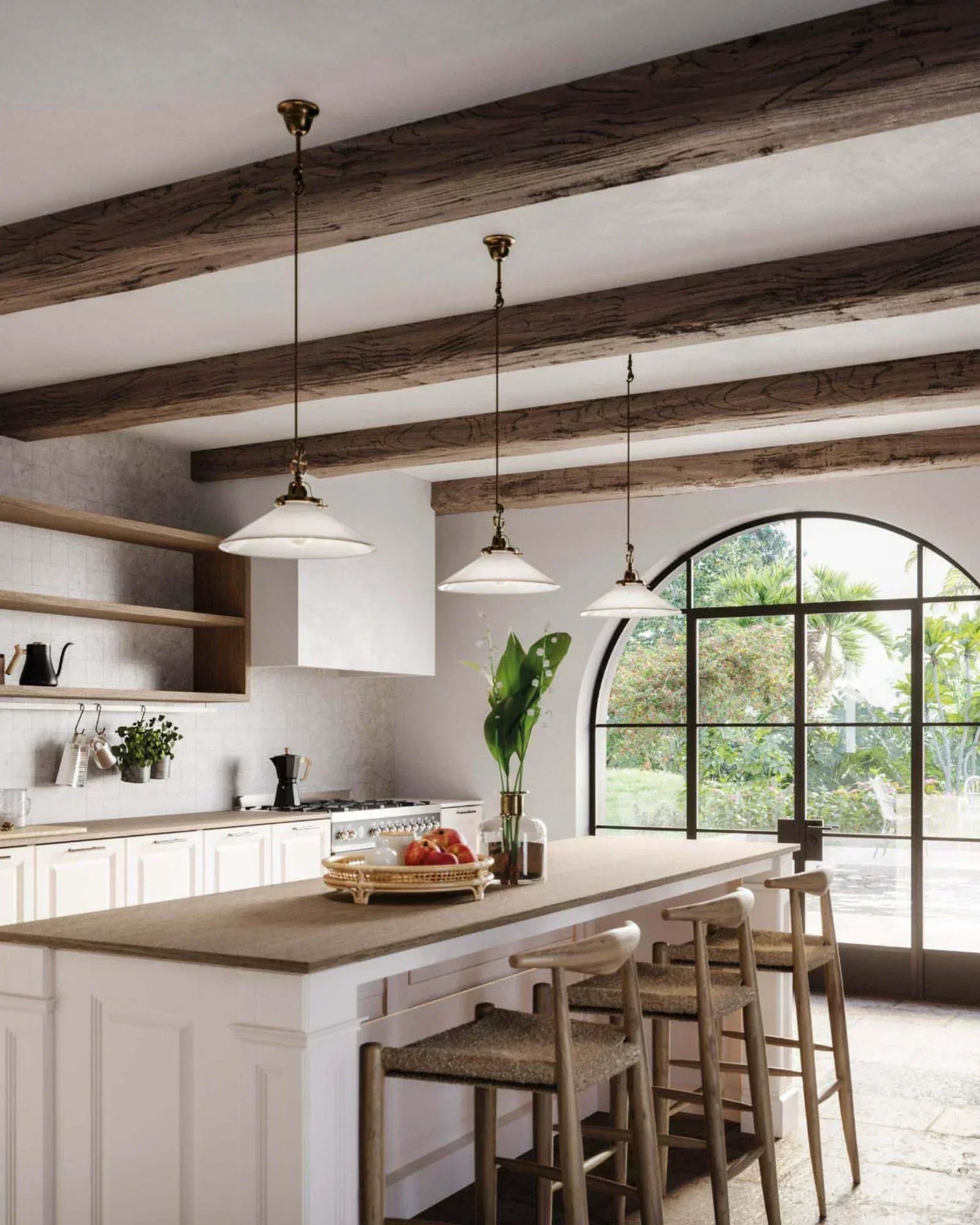
What defines modern farmhouse lighting today is the move toward statement pieces. Oversized pendants above a kitchen island. A dramatic chandelier in a double-height dining room. Mixed metals - matte black alongside aged brass - that feel collected rather than coordinated. The fixtures are bigger, bolder, and more architecturally considered than their predecessors.
It is also a style that rewards layering. A single overhead light is rarely enough. Wall sconces add depth. A floor lamp in a reading corner brings warmth. The goal is always the same: light that makes a room feel like somewhere you want to be.

L: Cadence Pendant Light / R: Poppy 3lt Wall Light
How to Choose
The right farmhouse style for your home comes down to the bones of the space and the mood you are after.
Italian suits high ceilings, stone or tiled floors, and rooms where you want drama. French works beautifully in softer, more intimate spaces - a bedroom, a bathroom, a reading room. Scandinavian is the right call for open-plan living where you want warmth without visual weight. Australian feels most at home in homes that connect to outdoor living - with rattan and natural materials that bridge inside and out. Modern farmhouse is the most versatile of all, moving between styles and settings with ease.
If you're not sure where to start, our design consultation service is a good place to begin. We can help you find the right pieces for your space and your brief.