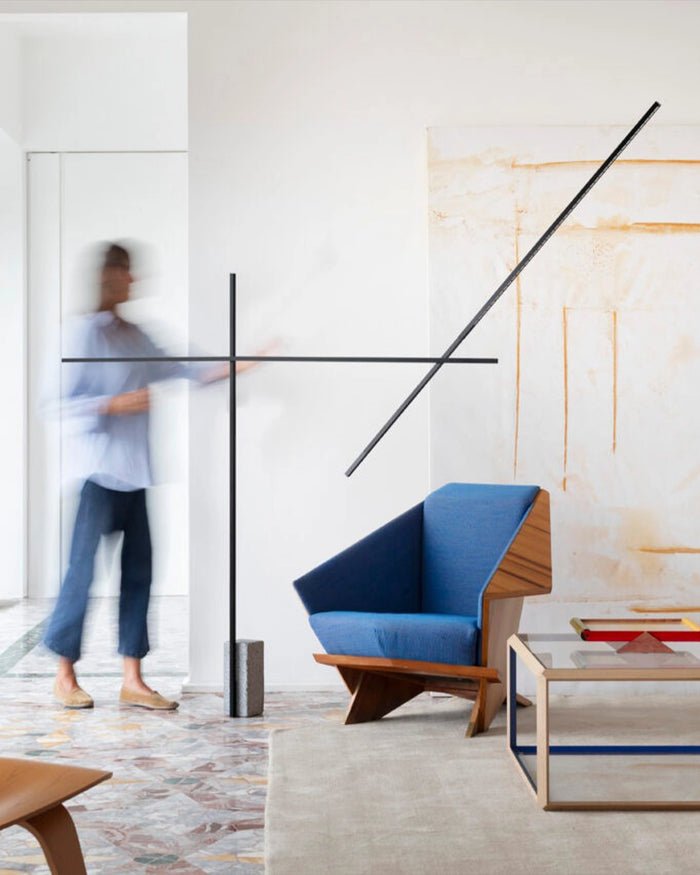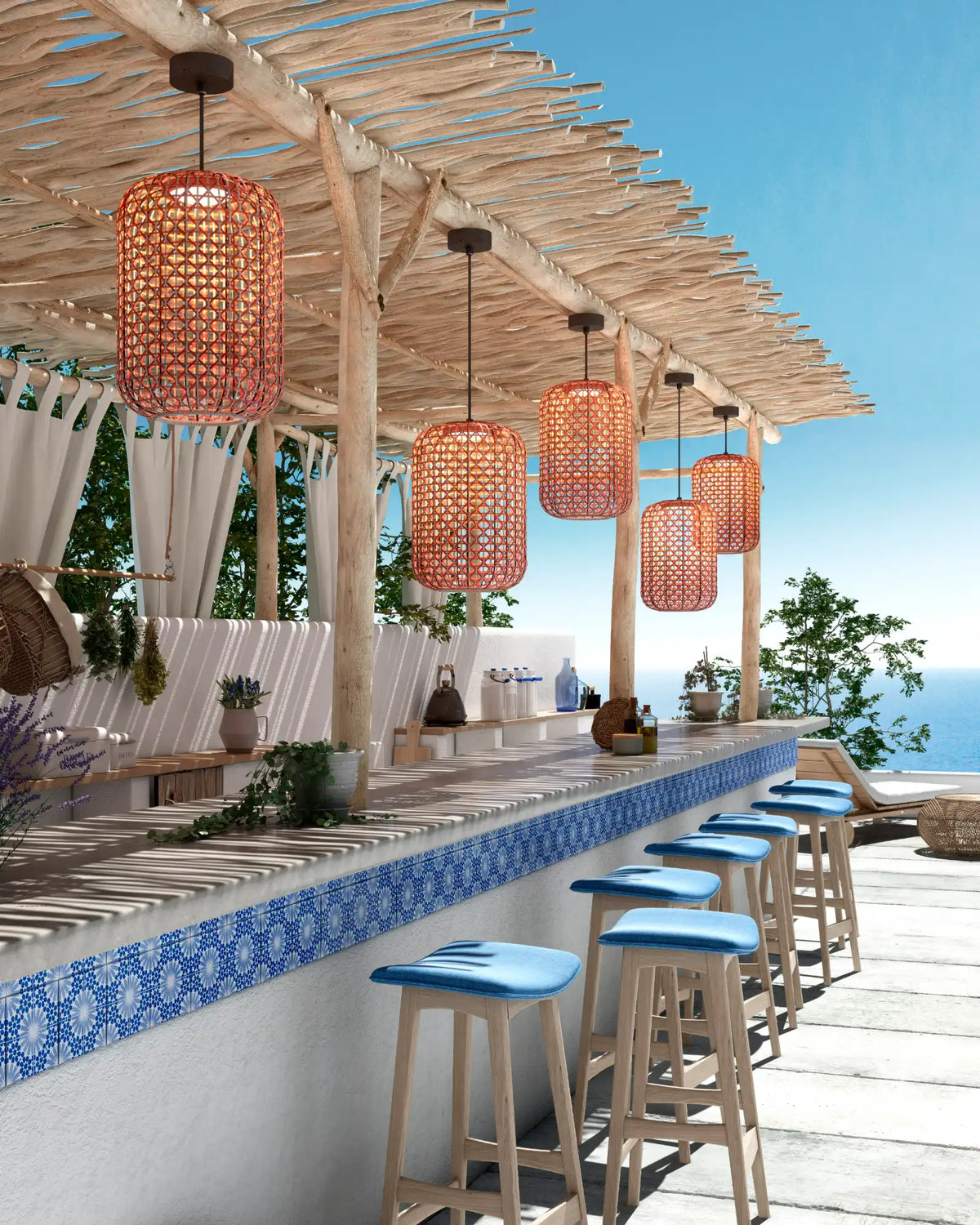

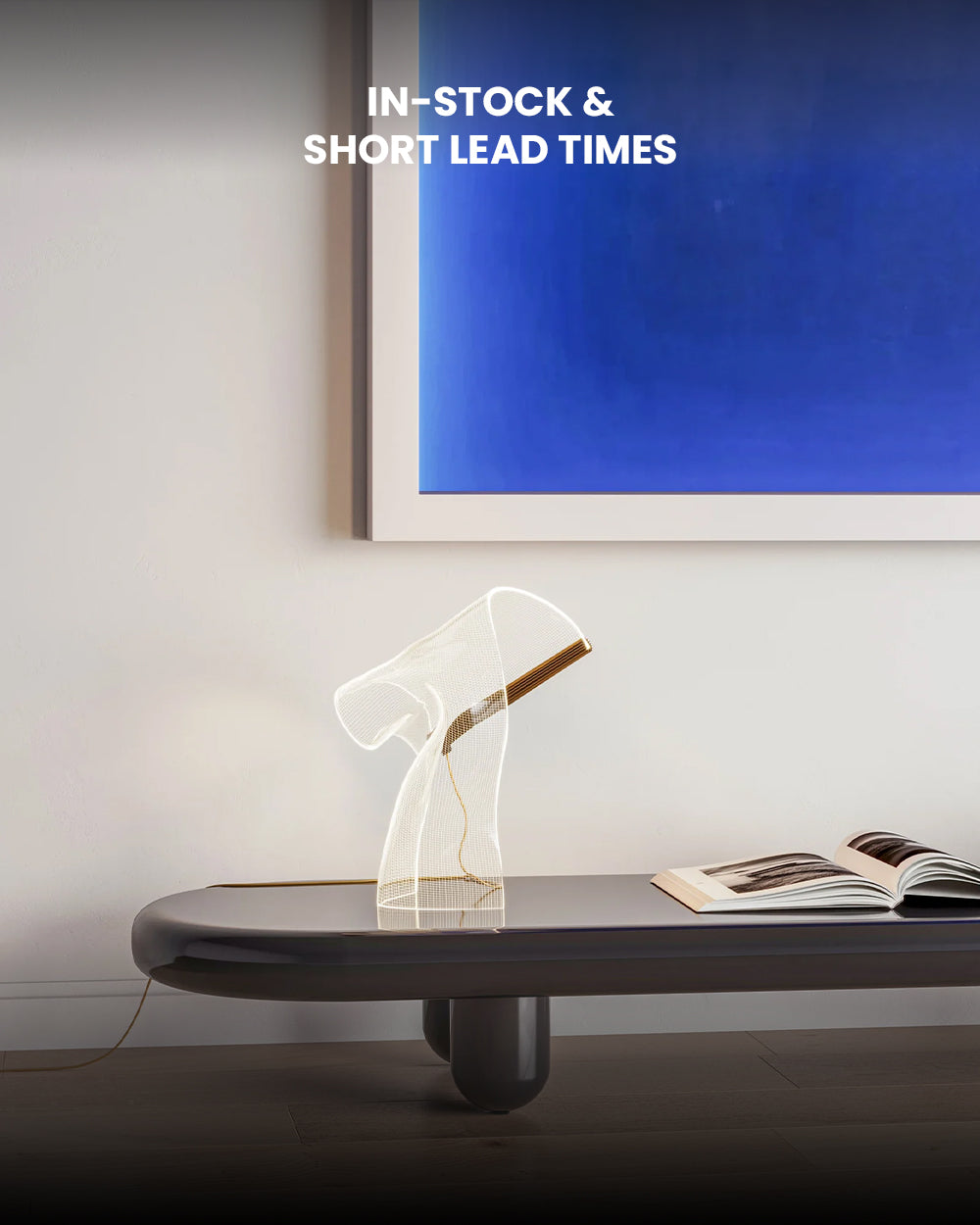
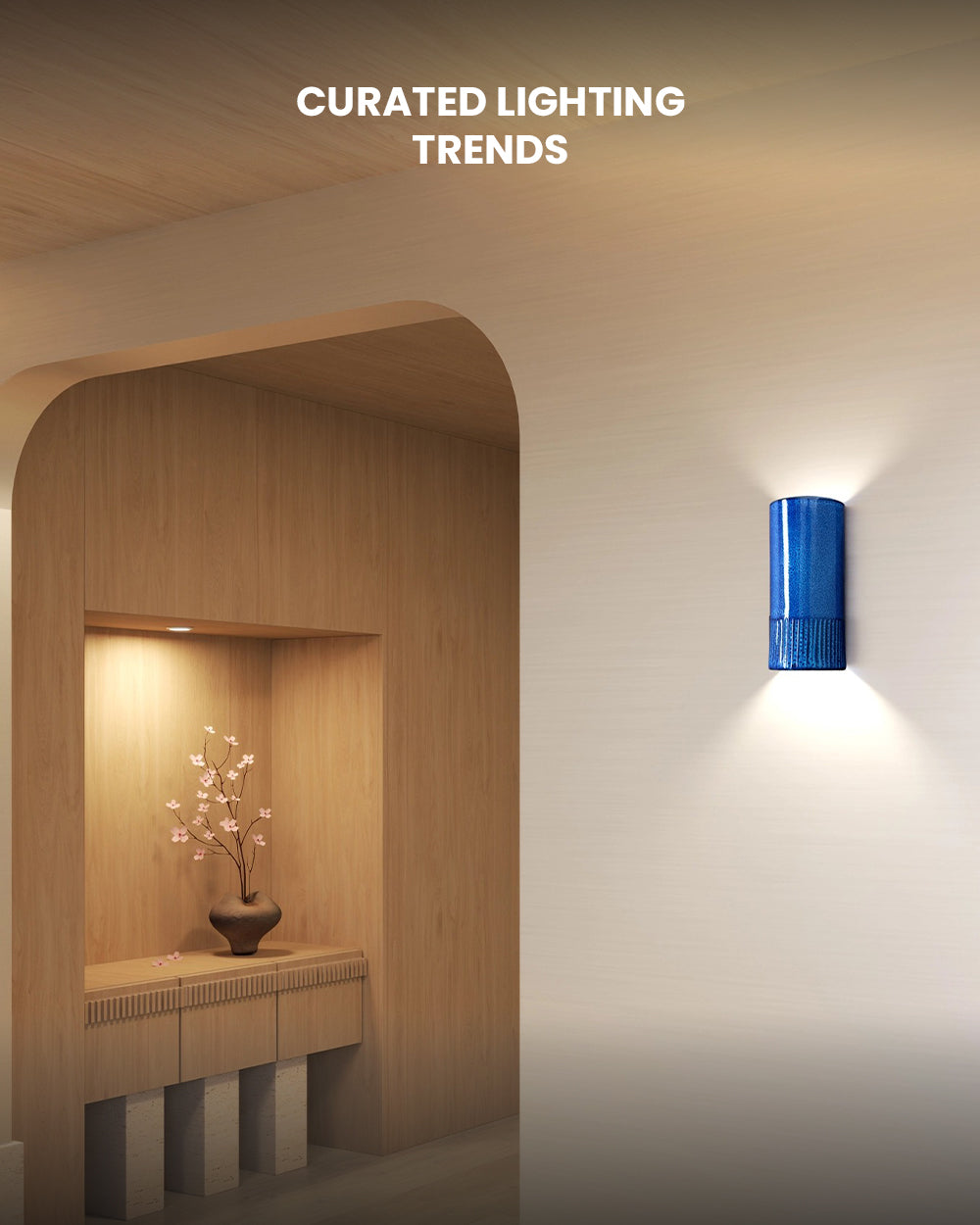
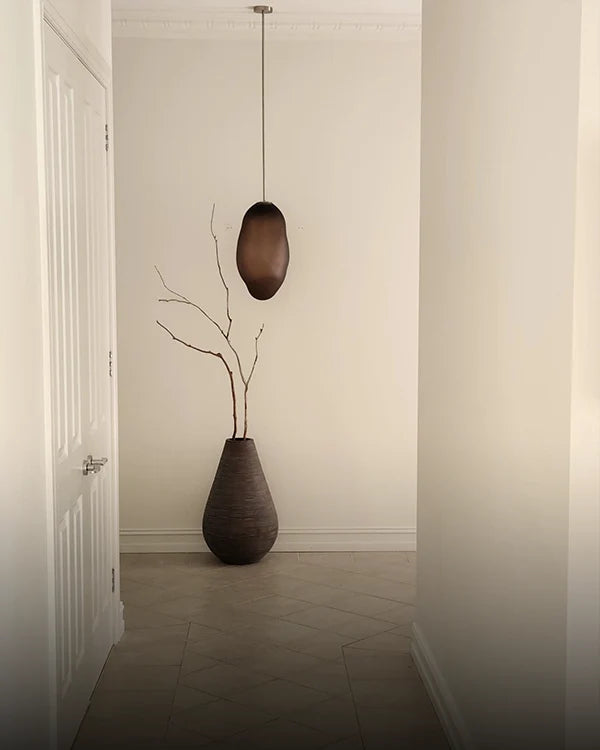
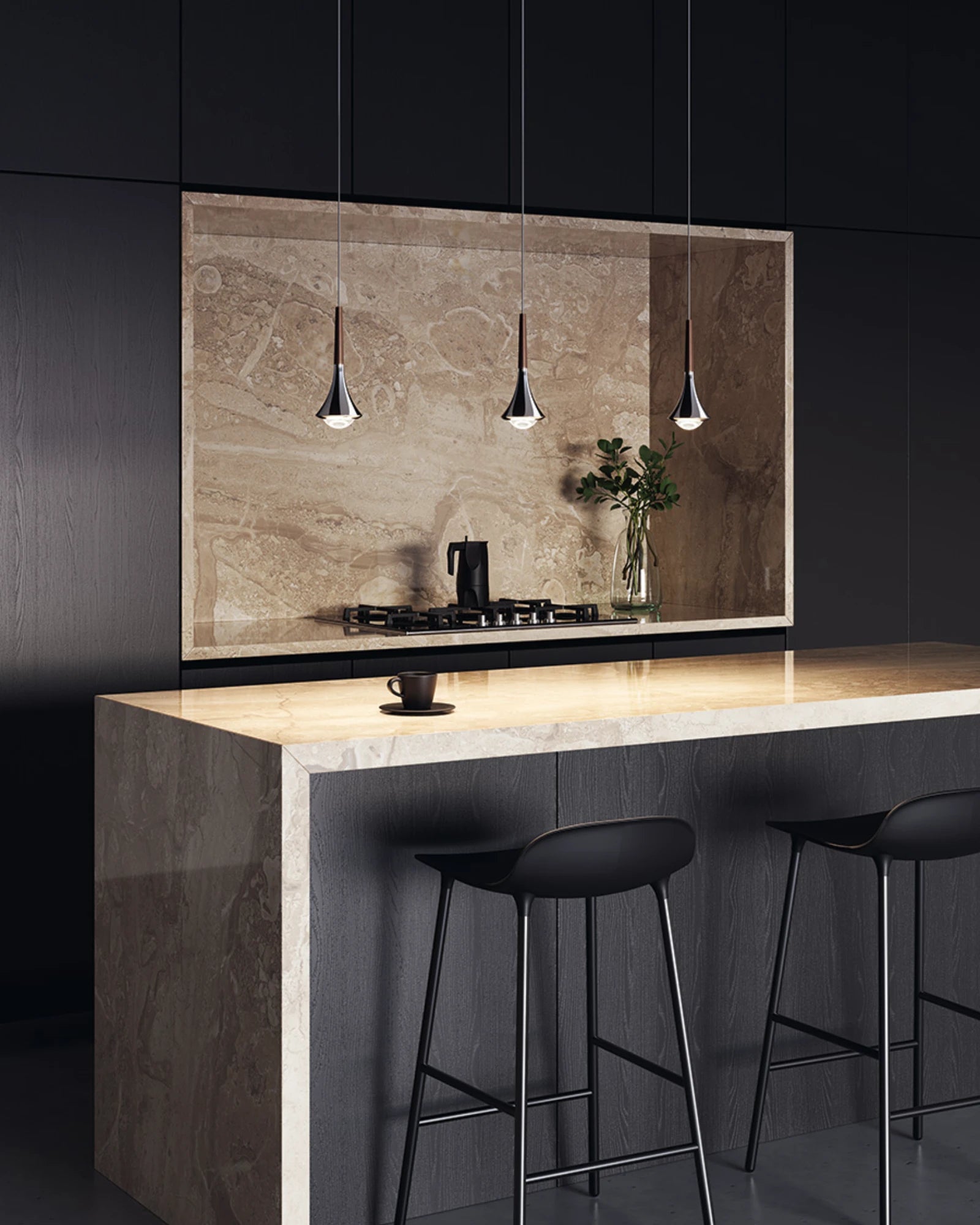
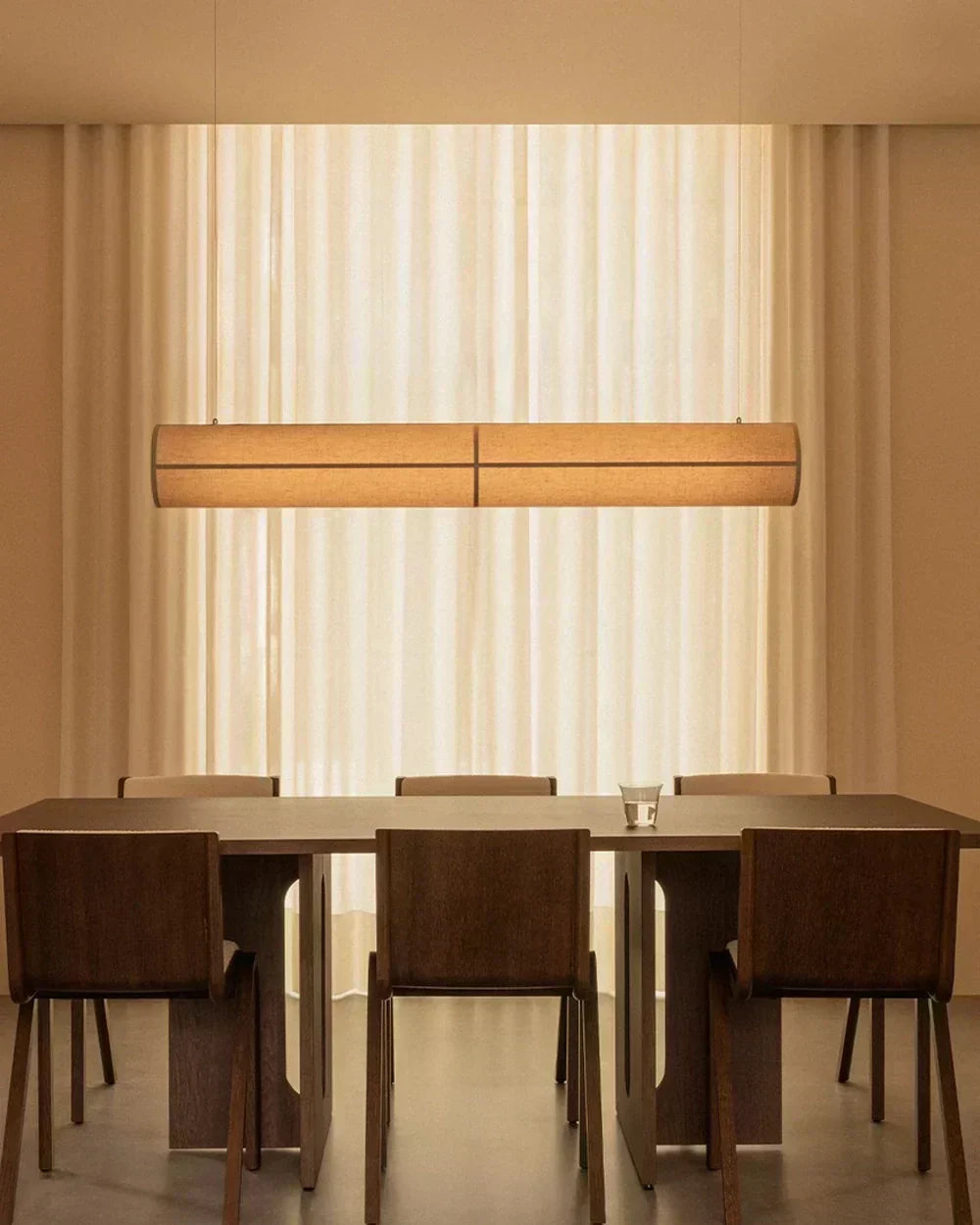
Japandi at its core is one of the most simplistic design verticals. There is a reason Japandi has outlasted the trend cycle that first named it; it was never really a trend at all.
What we now call Japandi is the meeting of two design traditions that arrived at the same conclusions from opposite ends of the earth - Japan and Scandinavia, each shaped by long winters or paper walls, each convinced that a home should be calm rather than cluttered. Combine the two styles (or cultures) and you get interiors that feel comforting and composed.
Lighting sits at the centre of Japandi interiors, perhaps more than any other element. Japandi rooms use the likes of timber, linen, paper, clay and stone - materials that only reveal themselves under the right light. Get the lighting wrong and the whole room feels off balance. Get the lighting right, and even the simplest space feels considered.

A Meeting a Century in the Making
The connection between Japanese and Scandinavian design is older than the portmanteau suggests. When Japan opened to the West in the second half of the nineteenth century, Danish and Swedish designers were among the most enthusiastic students of what they found - the honesty of joinery, the respect for material, the belief that beauty lives in minimalism. Over the following decades the influence flowed both ways, and by the mid-century era the two styles of Scandinavian and Japanese design were openly in collaboration.
What binds the two types of design is philosophy as much as aesthetics. From Japan comes wabi-sabi - which is the acceptance of imperfection, the beauty of the handmade and the aged. From Scandinavia comes hygge - warmth, comfort, the small rituals of home. Japandi is where the two settle into balance: the austerity of one softened by the cosiness of the other.
How Light Works in a Japandi Home
Japanese interiors have always treated light differently to the West. Where European rooms chased brightness, the traditional Japanese home filtered daylight through shoji screens and play with shadows. Scandinavian homes, starved of winter sun, understand that light is precious, so it should be warm, low and layered rather than harsh and overhead.
To integrate Japandi interiors into your home, that translates into a few working principles:
- Choose diffusion over glare - paper, fabric and opal glass rather than exposed sources.
- Keep colour temperature warm, around 2700K, so timber and clay tones stay honest.
- And layer the light: a soft central pendant, a low lamp in a corner, nothing fighting for attention.
- The goal is atmosphere, not illumination.
 Left to Right: Hashira Ceiling Light, Dira Floor Lamp, & Lita Table Lamp
Paper: The Original Diffuser
Paper is the lineage of the shoji screen and the akari lantern carried into contemporary form, and it does what no other shade can - it turns a bare bulb into a soft, even illumination of light.
Our Natural Paper Pendant Light - Tube by Zambelis is the purest expression of diffusing. It's a slim vertical column of textured paper framed in matte black metal, adding a clean architectural line while keeping everything warm and organic. Hung over a bedside table or in a hallway, or repeated in a run above a kitchen island, the pendant gives gentle ambient light.

Its companion, the Natural Paper Pendant Light - Disc, uses the same materials and stretches them wide - a 60cm diameter silhouette that sits just 20cm tall. It is a piece for the dining table or the open-plan living space; airy rather than heavy. This is the Japandi style in a single fixture - a statement made quietly.

Earth and Timber: The Wabi-Sabi Layer
If paper carries the Japanese half of the equation, ceramic and timber carry the shared ground between both Scandinavian and Japanese traditions. Japandi rooms lean on materials like fired clay and grain of natural wood.
The Terra 00 Pendant Light by Marz Designs is a lovely example: a slip-cast ceramic dome meeting a hand-turned dome of FSC-certified timber. Made to order in Byron Bay rather than mass produced, it embodies the wabi-sabi principle of imperfect, thoughtful design. The muted ceramic palette - clay, slate, fog, vanilla bean, olive - reads like a Japandi colour scheme in itself, and paired with ash or walnut timber it sits beautifully over a dining setting or kitchen bench.

For rooms where a pendant would crowd the ceiling, the Terra 00 Downlight offers the same material conversation in a more architectural form - ceramic against timber, with a frosted or opal glass shade softening the light below. It is proof that even the functional layer of a lighting plan can carry the style's character.

The Soft Layer: Lamps and Low Light
A Japandi room is never just lit from above. The evening version of the space relies on low, warm pools of light - a lamp on a sideboard, a glow beside the bed, and this is where hygge does its work.
The Dena Table Lamp has a ribbed ceramic base and a cylindrical fabric shade that softens light passing through it. The texture of the ceramic makes a statement even while switched off, which matters in minimalist interiors. Used in a reading corner or as a pair flanking a bed, the lamp brings the calm, symmetrical warmth the Japandi style asks for.

Bringing It Home
Japandi rewards patience and consideration. A Japandi interior is not a look assembled in a weekend, it takes discipline to choose fewer, better pieces and letting light and material do the talking. Start with one pendant in paper or ceramic, keep the bulbs warm, add a low lamp for the evenings, and resist the urge to fill the gaps and over decorate. The gaps are the point.
Our showroom in Surry Hills carries these pieces alongside the broader collection, and our team is always happy to help plan a lighting scheme around the spaces you live in most. Quiet rooms still need the right light - we would love to help you find it.