
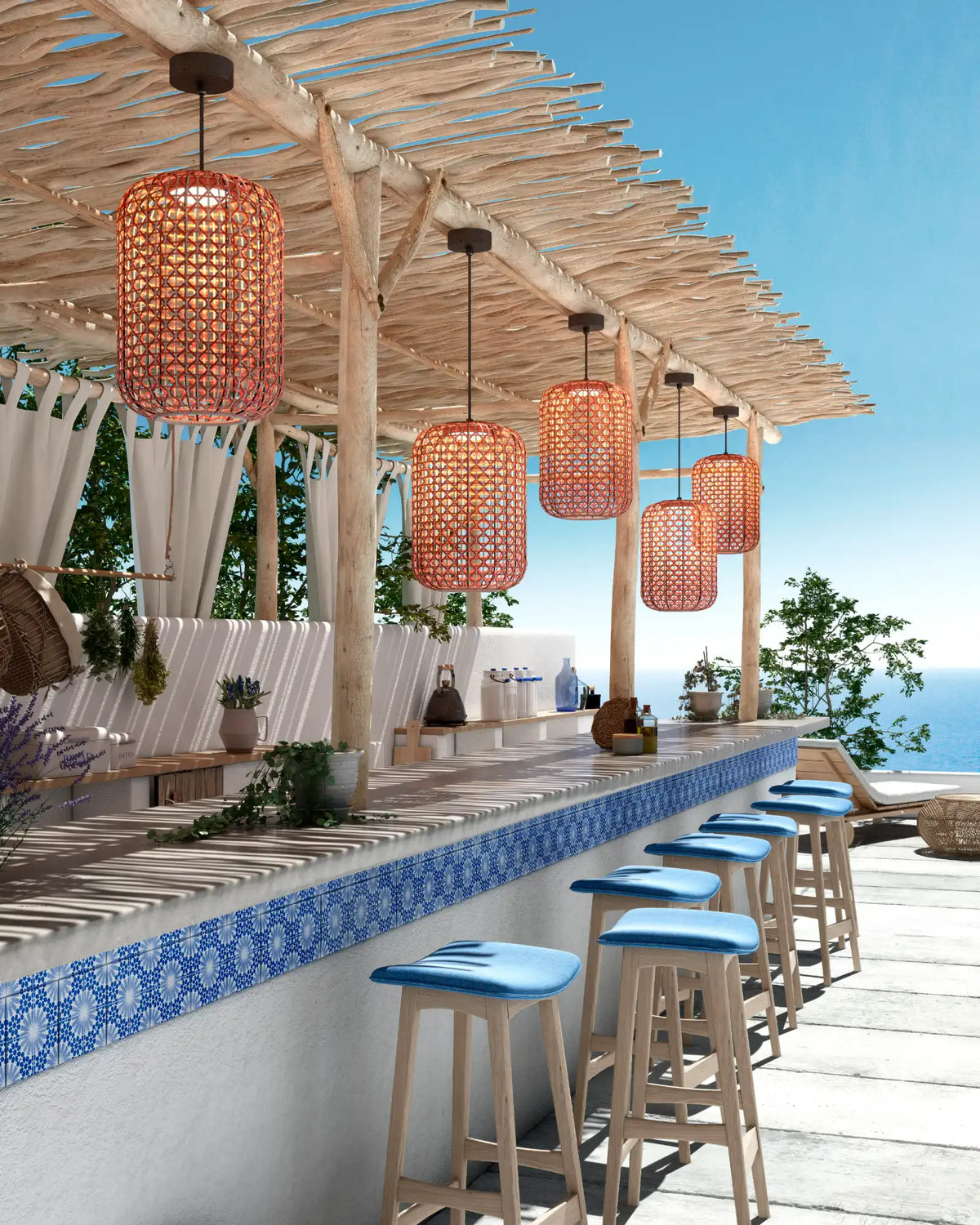
Australian hospitality lives outdoors for half the year. A terrace, courtyard or alfresco dining area is rarely a bonus space in this climate - it is core trading floor, often the most requested seating in the venue, and the first thing a guest photographs before the food arrives. A venue's outdoor area has to perform at scale, hold up under nightly use, and stay on-brand from the first table to the last, all while surviving weather that would defeat a lesser fitting within a season.
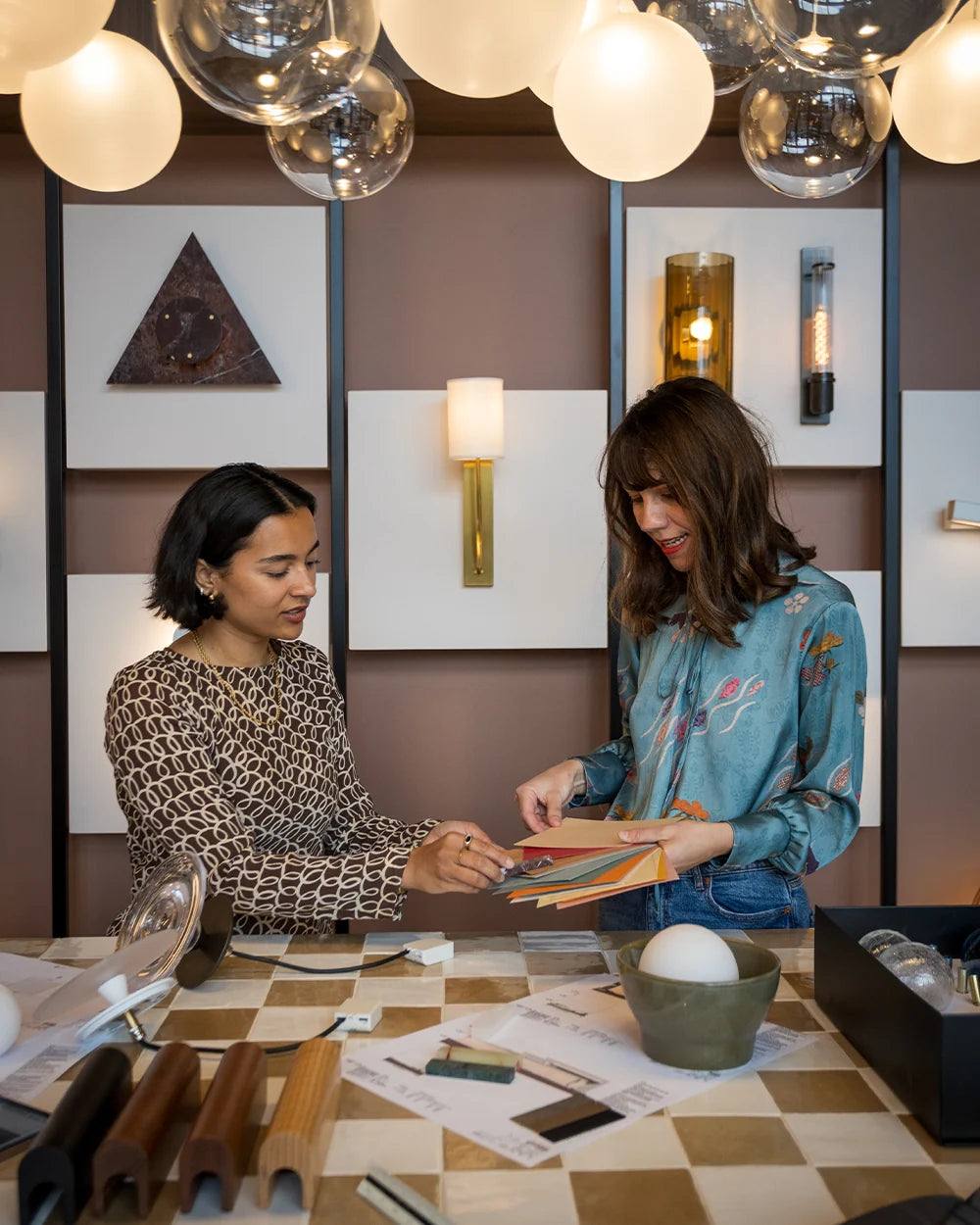
We work with architects, designers and hospitality operators on exactly this from our Surry Hills showroom, and the brief is nearly always the same underneath the details - extend the room outside without losing what makes the inside work.
What does commercial alfresco lighting actually need to deliver?
A venue's terrace gets used every service, every night, in every weather the season throws at it - and it needs to look considered at 6pm on a quiet Tuesday and at full capacity on a Saturday. That means every fitting has to be genuinely commercial-grade: a high tolerance for constant use, an IP rating matched honestly to real exposure rather than best-case weather, and a finish that will still look sharp after a full season rather than one mild summer.

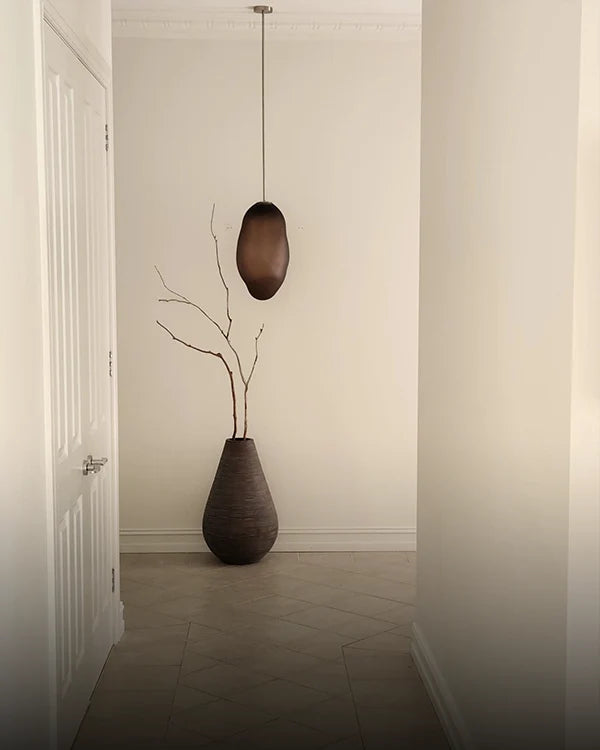
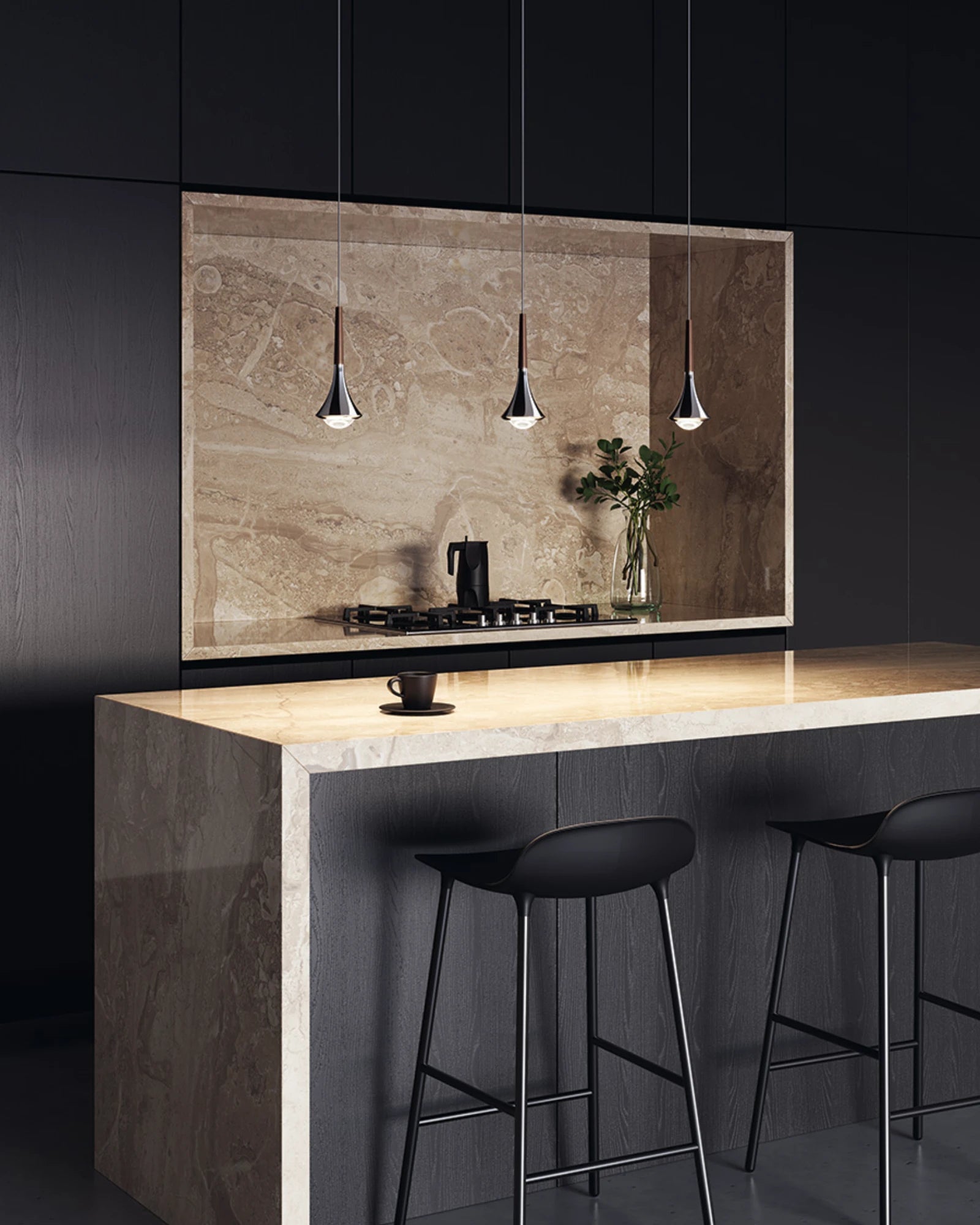
Drop Mini Single Pendant Light & Cordea Outdoor Pendant Light
Consistency matters as much as durability - guests move between indoor and outdoor seating within the same meal, and the lighting needs to feel like one room, not two.
What does layering look like at commercial scale?
The principle is simple, but the execution has to hold up under real commercial pressure. Ambient light from pendants or wall-mounted fittings sets the overall mood of the space; task-level light over tables lets guests actually read a menu and see their food properly; and accent lighting - a lit bar edge, an uplit tree, a feature wall - gives the eye somewhere to rest so the space doesn't read as flat. Every layer needs to be zoned and dimmable independently, because a venue's outdoor area has to shift mood across a single service - bright and functional for an early dinner booking, low and atmospheric by 9pm - without anyone touching a fixture.

Fixed or portable - what's actually practical for a working venue?
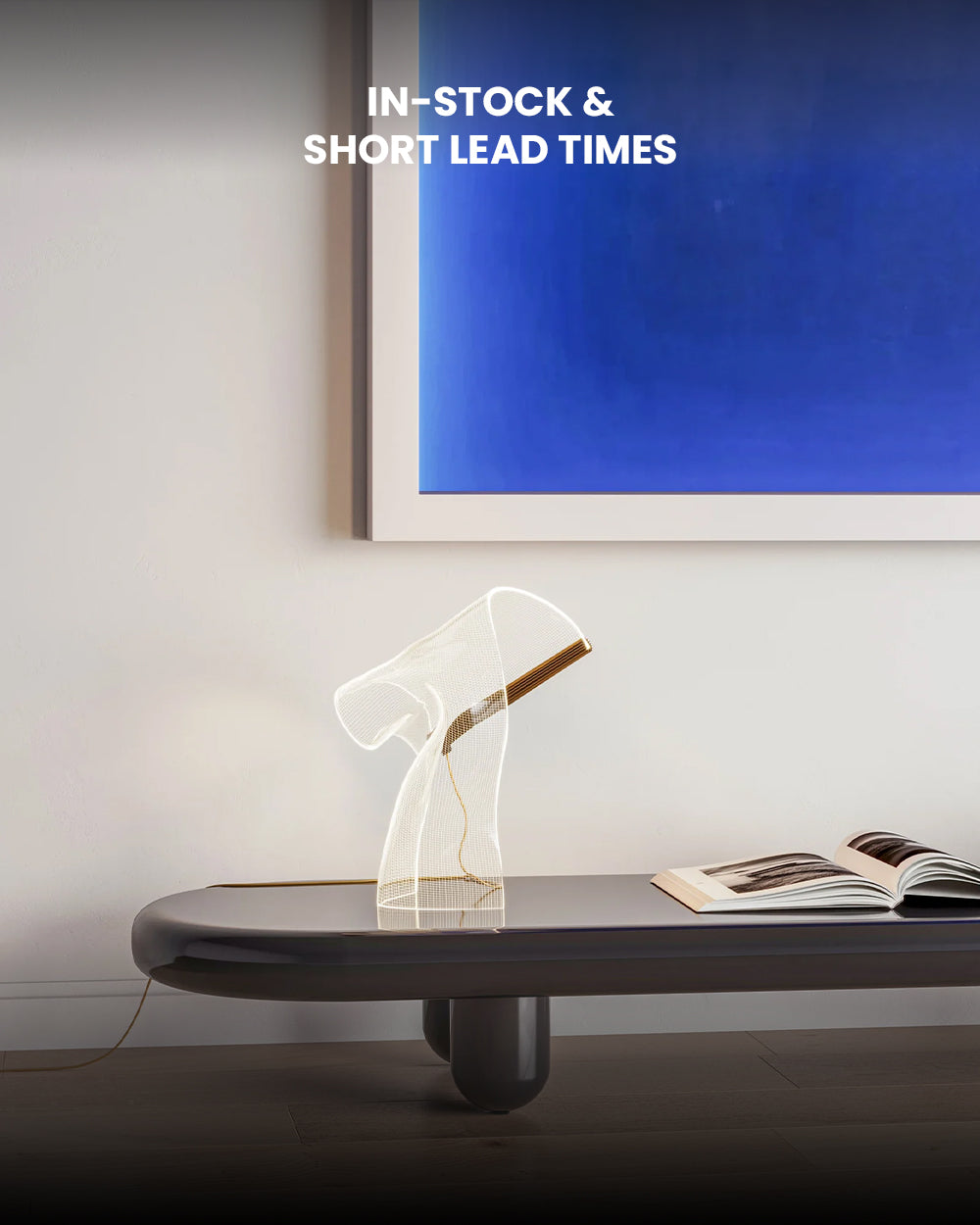
A venue often needs to reconfigure its outdoor floor plan seasonally, for private events, or simply to respond to how a space is actually being used once it opens - and re-wiring a terrace every time the tables move is neither fast nor cheap. This is where portable, rechargeable lighting has become genuinely useful at a commercial level. The Kuro Portable Lamp by Astro is one we specify often for exactly this reason - solar-powered and rechargeable, with a hidden LED that directs light downward and eliminates glare, so it can sit on any table regardless of where the floor plan lands that week.

A venue running a mix of fixed structural lighting and portable table-level pieces gets the best of both - a consistent architectural layer that doesn't move, and a flexible layer that can follow demand.
What should be fixed, and what needs to be commercial-grade from day one?
The structural layer - wall lights, bollards, pendants over any permanent seating or bar area - should always be genuinely commercial-rated, chosen to perform every night rather than occasionally. Our outdoor lighting collection is built around this brief specifically: IP-rated wall lights, bollards and pendants designed for Australian conditions.

Ululi Ulula Outdoor Pendant Light & Cone Outdoor Wall Light
Leda Outdoor Curve Pendant Light & Fienile Outdoor Floor Lamp
Material selection matters more here than almost anywhere else in a fit-out - solid brass and marine-grade stainless steel are the standard for anything coastal or heavily used, since the cost of replacing a corroded fitting mid-season is rarely worth what was saved buying a lesser one.
Choosing a style direction: midcentury, coastal or industrial
The fittings above cover performance. Style is what makes a fit-out feel like a considered venue rather than a functional one, and three directions come up again and again in alfresco briefs.
Midcentury. Warm timber tones, brass and bronze finishes, and clean architectural forms - globe pendants, sculptural wall lights, fittings with a slight retro curve rather than a hard industrial edge. It suits venues leaning into a warmer, more clubby atmosphere, where the outdoor area is meant to feel like an extension of a considered interior rather than a separate zone.

Tria Outdoor Wall Light & Allegro Wall Light
Coastal. Lighter, more textural - white or bleached timber, woven or textile diffusers, matte finishes over anything high-shine, and a general preference for forms that read as relaxed rather than formal. It's the natural fit for beachside venues or anywhere leaning into a laid-back, indoor-outdoor identity, though it works just as well inland for venues wanting that same easy, holiday-adjacent feel.

Flo Outdoor Wall Light & Marietta Outdoor Pendant Light
Industrial. Black steel, exposed or caged fixtures, raw and matte finishes over anything polished - a direction that has become genuinely popular across Australian hospitality, particularly in laneway bars and warehouse-conversion venues. It suits alfresco spaces built around a more urban, unpolished identity, where the lighting is meant to read as part of the architecture rather than a decorative layer on top of it.

Arne Domus Pendant Light & Cobu Outdoor Wall Light
Each direction can run on the same commercial-grade backbone - IP rating and material durability do not change based on style, only the finish and form sitting on top of them.'
Design it in, don't bolt it on
The venues that get alfresco lighting right tend to bring it into the design conversation early, alongside the rest of the fit-out, rather than treating it as an afterthought once the interior is settled. Getting the zoning, the IP ratings and the mix of fixed and portable pieces right from the concept stage avoids the far more expensive problem of retrofitting a terrace that was never wired to be dimmed or zoned in the first place.
Our team works with trade clients at every stage of this process, from concept through to specification, and our outdoor lighting collection covers the structural layer for exactly this kind of project. Explore our outdoor lighting collection, offering considered solutions that bring atmosphere and functionality to your outdoor space.
If you're planning a fit-out or a refresh, our trade program is built for this - visit us in Surry Hills or get in touch with our team to start the conversation.
A well-lit terrace is rarely the most expensive part of a fit-out, but it's often the reason a guest chooses to sit there again. Get the layering, the rating and the style right, and the outdoor room stops being an extension of the venue - it becomes the reason people remember it.