
In Vol. One of our Saturday Indesign story, we explored light through emotion - from our biological relationship with natural light to circadian rhythms, colour and the way illumination can shape how we feel.
For Part Two, we turn our attention to something more tactile: material, making and the objects we choose to live with.
Throughout the day at Nook Collections, visitors had the opportunity to move beyond observing design and experience the process behind it - from conversations around glass and materiality to glass blowing and the quiet transformation of paper through origami.
It was a reminder that behind every beautifully resolved object is a relationship between material, maker, light and space.
Light, material and the art of the interior
For Mark Douglass of Mark Studios, the conversation began with a simple but often overlooked idea: the objects we surround ourselves with have an impact on how we feel.
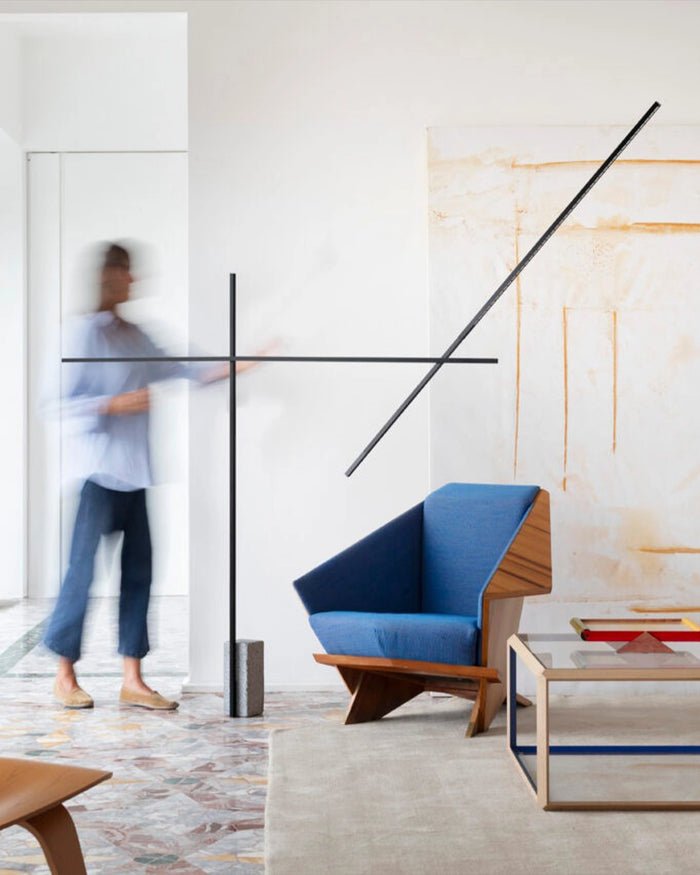
A chair, a rug, a piece of furniture or a light may each have a distinct presence, but an interior is never experienced one object at a time. Materials, colours, furniture, art and lighting become part of a larger composition - shaping the atmosphere of the space as a whole.

For Mark, whose practice as a glass artist gives him an intimate understanding of the relationship between material and illumination, light has a particularly interesting role.
“I think it’s important to live with objects that are aesthetically pleasing. The things we surround ourselves with influence our mood and the way we experience a space. A chair, a rug, a piece of furniture, a light - each contributes to the feeling of an interior as a whole.
As a glass artist, I’m fascinated by the way light moves beyond the object itself. It brings glass to life, creates shadow, responds to natural sunlight and changes the atmosphere around it.
Lighting is often one of the last elements considered in an interior, yet it has an extraordinary presence. A pendant may sit alone against a blank ceiling, so it needs to be beautiful as an object in its own right. But its influence extends beyond its form - it changes how we see the furniture, materials and colours beneath it, and ultimately how we experience the entire space.”
-Mark Douglass, Mark Studios
It is an interesting way to reconsider decorative lighting.
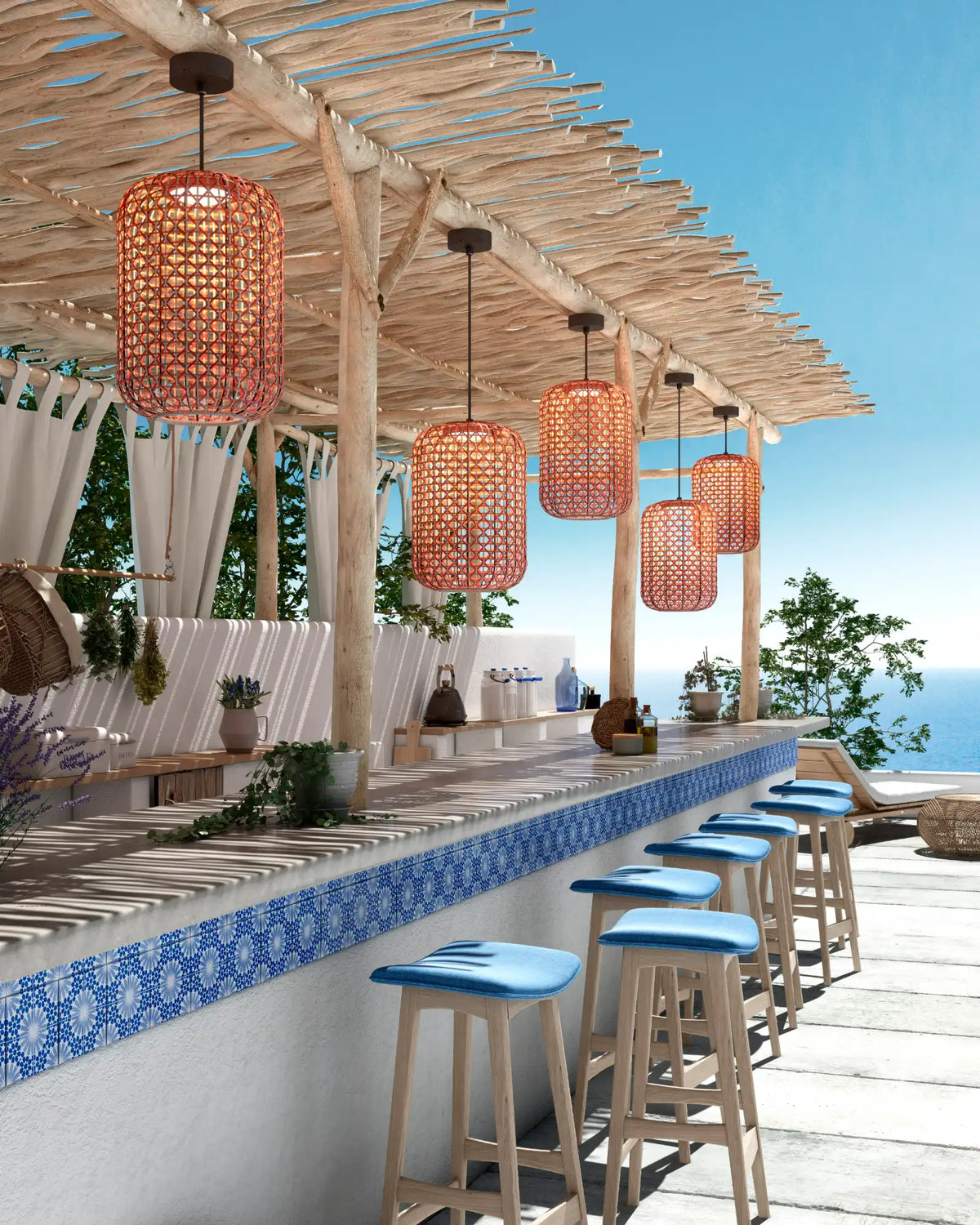
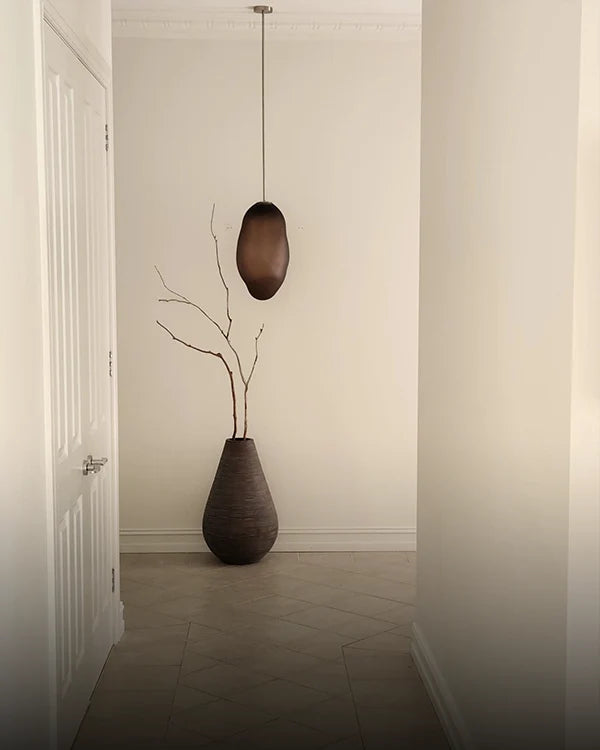
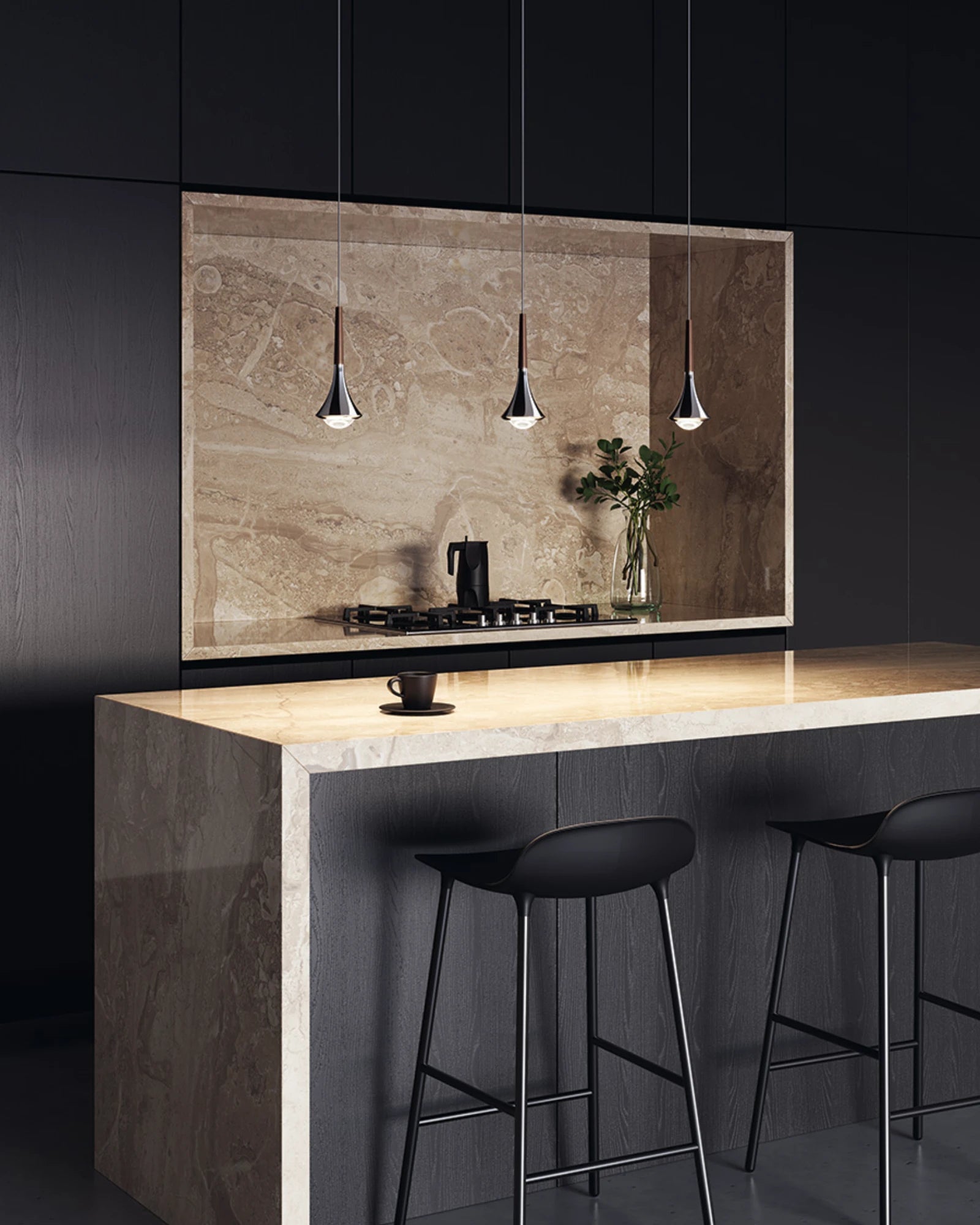
A pendant is an object in its own right - sculptural even when switched off - yet its role changes completely once illuminated. It reveals texture, casts shadow, reflects from surrounding surfaces and alters the way other objects within the room are perceived.
Rather than the finishing touch, lighting becomes part of the composition of an interior from the beginning.
Experiencing glass through the hands of the maker
If Mark's conversation explored our relationship with the finished object, another part of the day brought visitors closer to the process of creating one.
Glass artists Mark Eliott and Simi Eliott invited guests into the world of glass making through an intimate glass-blowing experience.

There is something particularly captivating about seeing glass before it becomes the polished object we recognise.
Under heat, it is fluid and unpredictable. It stretches, moves and responds to the hand of the maker. What eventually appears effortless in its finished form is the result of material knowledge, timing, control and years of practice.
For visitors, the experience offered a rare opportunity to see craftsmanship not simply as a quality attached to a finished product, but as a process.
And when that material is glass, light inevitably becomes part of the story.
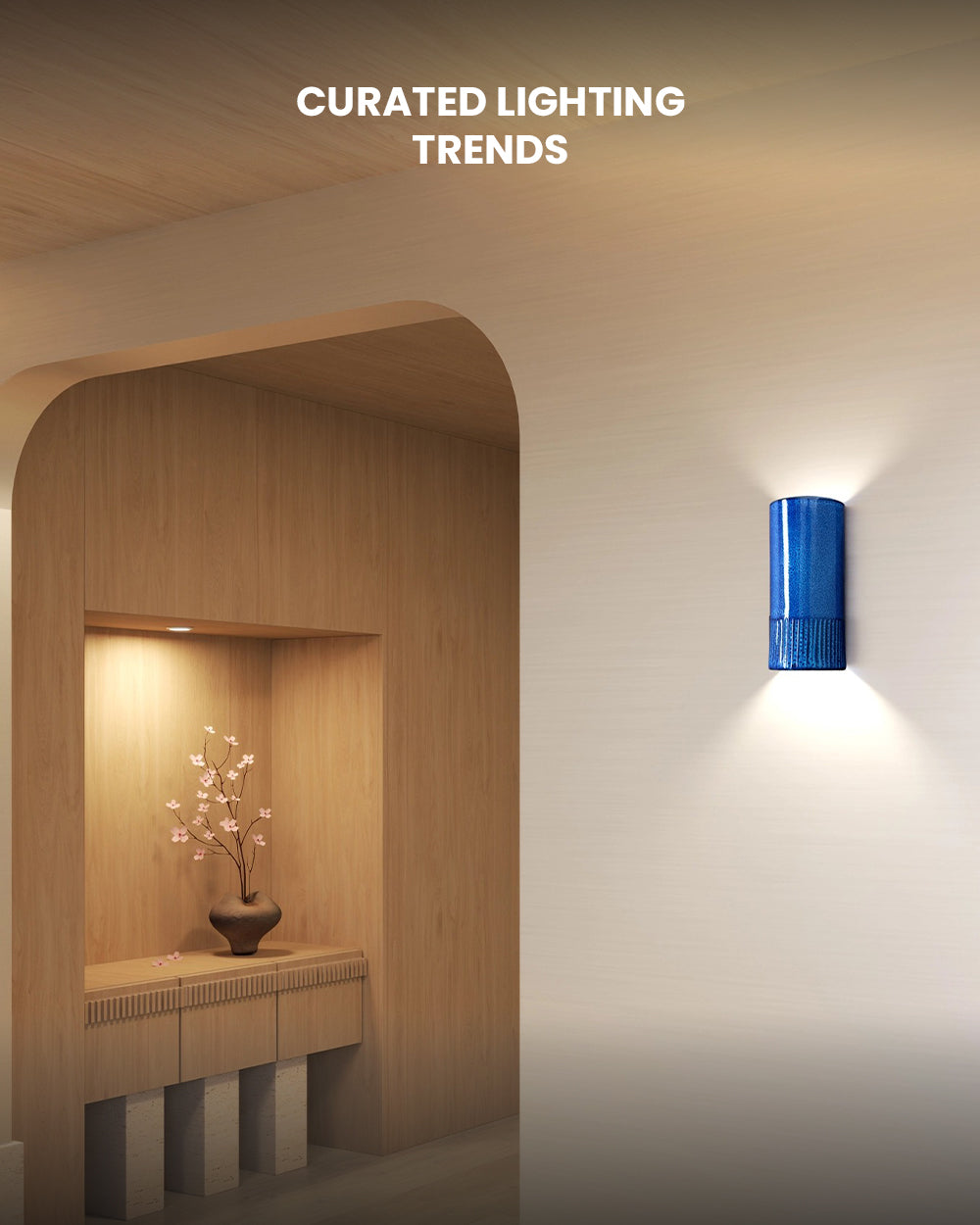
Transparency, colour, thickness, texture and form each determine how light moves through an object - whether it is reflected, softened, diffused or transformed altogether.
When paper meets light
Earlier in the day, the relationship between material and illumination was explored through something altogether simpler: paper.
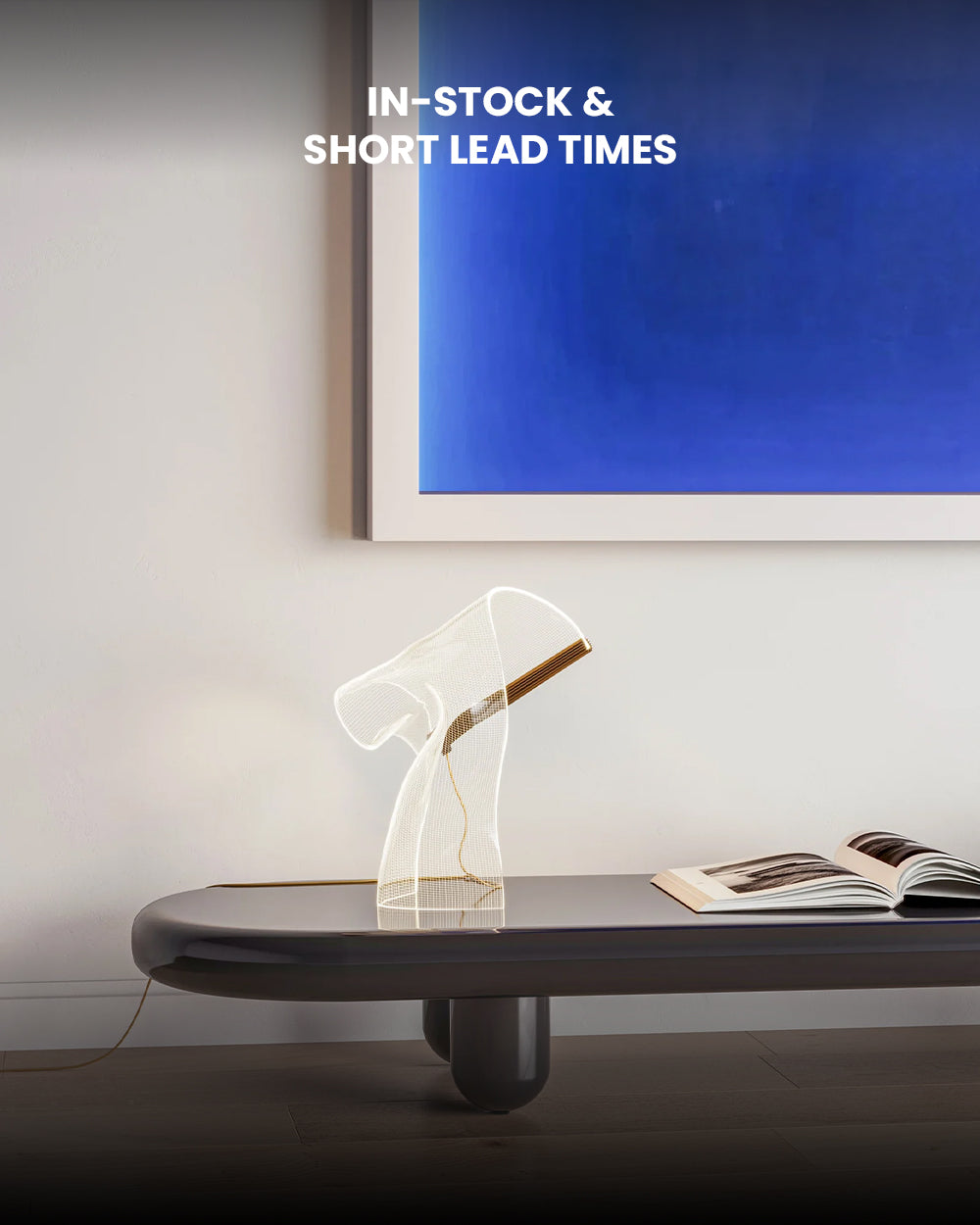
Our origami lighting workshop was inspired by the sculptural Oïphorique Pendant by Parachilna, displayed within the Nook Collections showroom. Through folding, a flat sheet of paper gradually became dimensional.
With every fold came a new surface for light to reach - and another for shadow to fall across.

The exercise was playful, but the principle behind it was fundamental to lighting design.
Light needs something to interact with.
Change the form and you change the shadow. Change the material and you change the way light is reflected or absorbed. Change the angle and the same object can suddenly appear completely different.
Origami offered a beautifully simple way to experience that relationship firsthand.
From object to experience
Across the workshops and conversations of Saturday Indesign, one idea continued to emerge: lighting is never experienced in isolation.
It lives alongside architecture, furniture, colour and material. It responds to daylight and darkness. It reveals some surfaces while allowing others to disappear into shadow.
And behind the objects themselves are makers - people who understand how glass behaves under heat, how paper responds to a fold, and how material can be transformed through craft.
For us, that was an important part of Saturday Indesign.
It wasn't only an opportunity to showcase beautiful lighting, but to look more closely at why these objects matter, how they are made and what happens when they become part of the spaces we live in.
Our first Saturday Indesign may have lasted just one day, but the conversations around light, material and making are ones we look forward to continuing at Nook Collections.
Thank you to our designers, artists, makers and everyone who joined us in the showroom.
Until next time.